
A Rich History: Sergei Georgievskii Facilitated a Dialogue on Heritage Between Developers and Civic Groups
Sergei Georgievskii took part in the Heritage Economy forum—a large-scale event aimed at making historic real estate accessible to visitors while remaining economically viable for business. The co-founder of the Agency for Strategic Development “CENTER” moderated the discussion Development and Urban Memory: Balancing Investment and Identity. The conversation focused on heritage preservation amid urban renewal, the prospects of historic settlements, the role of cultural heritage sites in integrated territorial development, and the investment economics of historic buildings.
“Today, in development it is crucial to strike a balance between investment strategies and preserving a city’s identity. Identity is the memory of a place, safeguarded by its people, and working with it means working with meanings and relationships. In this context, development companies and non-profit organizations can become curators of the cultural layer—researchers who help a city understand itself,” Sergei Georgievskii emphasized.
Developers participating in the forum noted that the presence of a cultural heritage site within a development project can pose risks in terms of timelines and budgets. At the same time, with the right approach, heritage assets significantly increase a project’s value. Managing Partner at Canary reDevelopment Zhanna Lopukhova cited cases where investments in restoring historic buildings increased project value by 20–30%. Valeria Toporova, Head of Urban Studies at Brusnika, named active involvement of residents and non-profits as one of the tools for effectively integrating heritage sites into comprehensive development projects.
With the participation of autonomous non-profit organizations, vivid projects transforming historic cities are already underway. Ekaterina Nikitina, Director of the ANO Tarusa Zemstvo, spoke about how urban tools such as a master plan and design code are renewing the urban environment of the “Russian Barbizon.” Yan Kozhan, Head of the ANO Sysert Development Agency, presented a case of transforming a site with rich industrial heritage into a hub for creative industries and tourism. In these processes, local communities act as “urban producers,” initiating city-wide change and serving as its main driving force.
According to the forum organizers, “Russia has more than 150,000 cultural heritage sites, many of which are in critical condition. However, heritage is increasingly seen not as a burden but as an asset: the restoration of industrial zones triggers the renovation of entire areas; private initiatives to revive estates and historic houses shape a new tourism agenda; public-private partnerships and concessions make it possible to attract private capital to preserve shared heritage. With a competent approach, historic properties can be 30% more profitable than new construction.”
The forum was organized by the charitable foundation Tom Sawyer Fest – Heritage, associated with a volunteer initiative restoring historic buildings in dozens of Russian cities. The event was supported, among others, by the Ministry of Culture of Russia and the Presidential Grants Foundation, with the state development institution DOM.RF among the key partners.
The intellectual program took place at Neuhausen Castle (13th century) in the Kaliningrad Region, recently restored and adapted for contemporary use. The complex has regained its historic appearance and is now planned to become a castle-park ensemble featuring a museum, restaurant, hotel, and greenhouse.
More than 500 participants—investors, developers, restorers, architects, representatives of public authorities, and civic organizations—attended the forum. The culmination was the awards ceremony of the II National Prize Heritage Is Priceless, recognizing best practices in careful renovation, successful fundraising, and personal contributions to cultural heritage preservation.
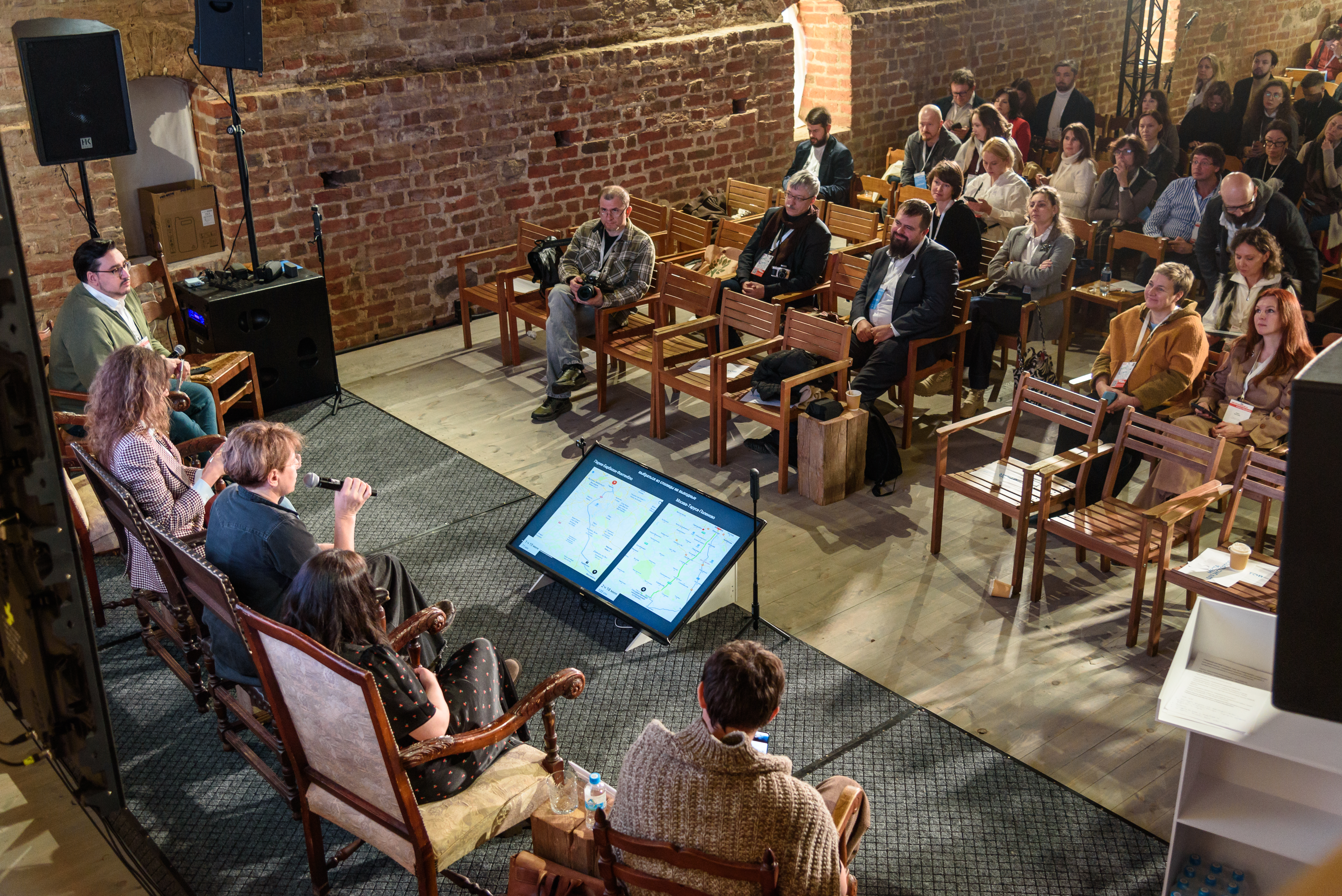
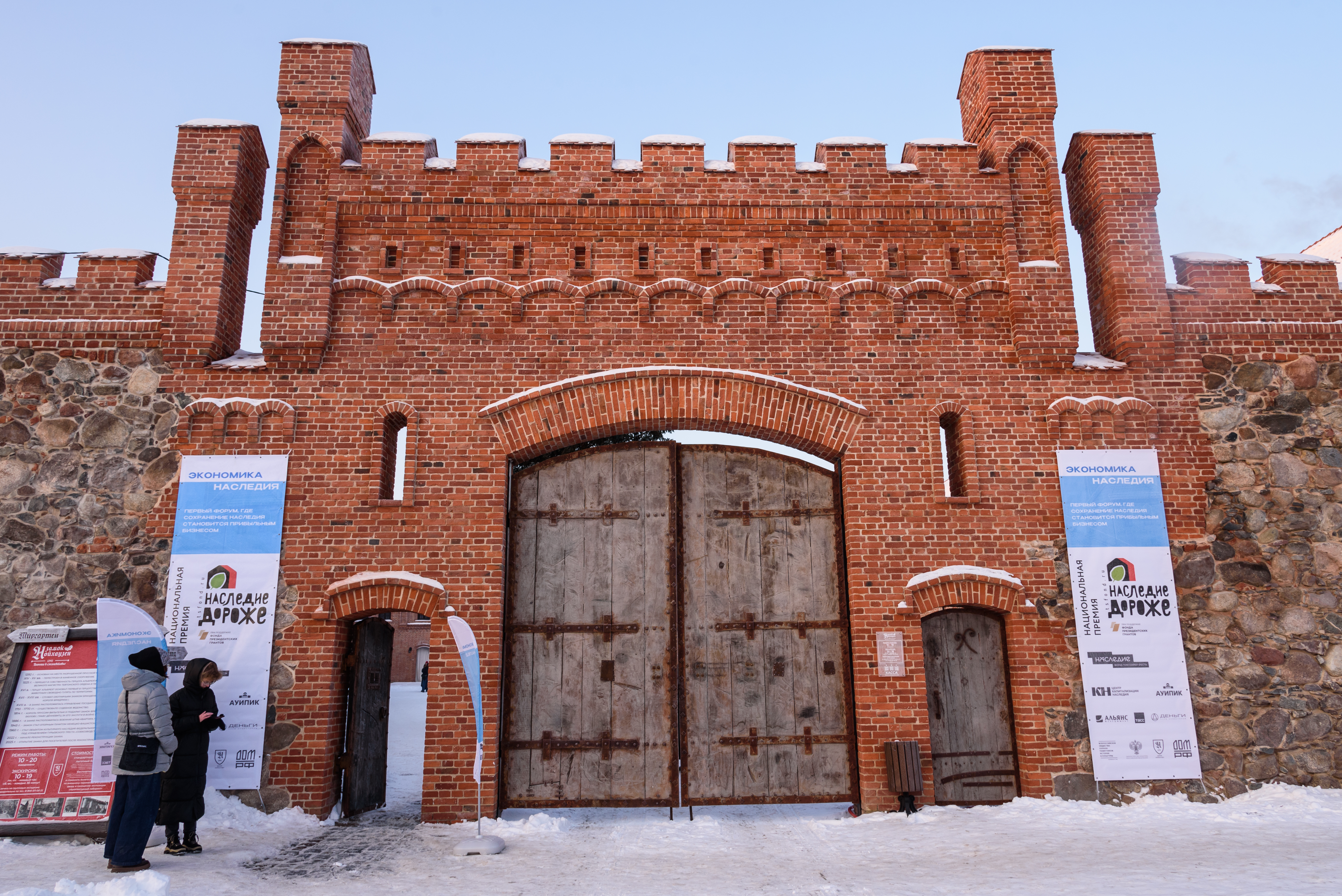
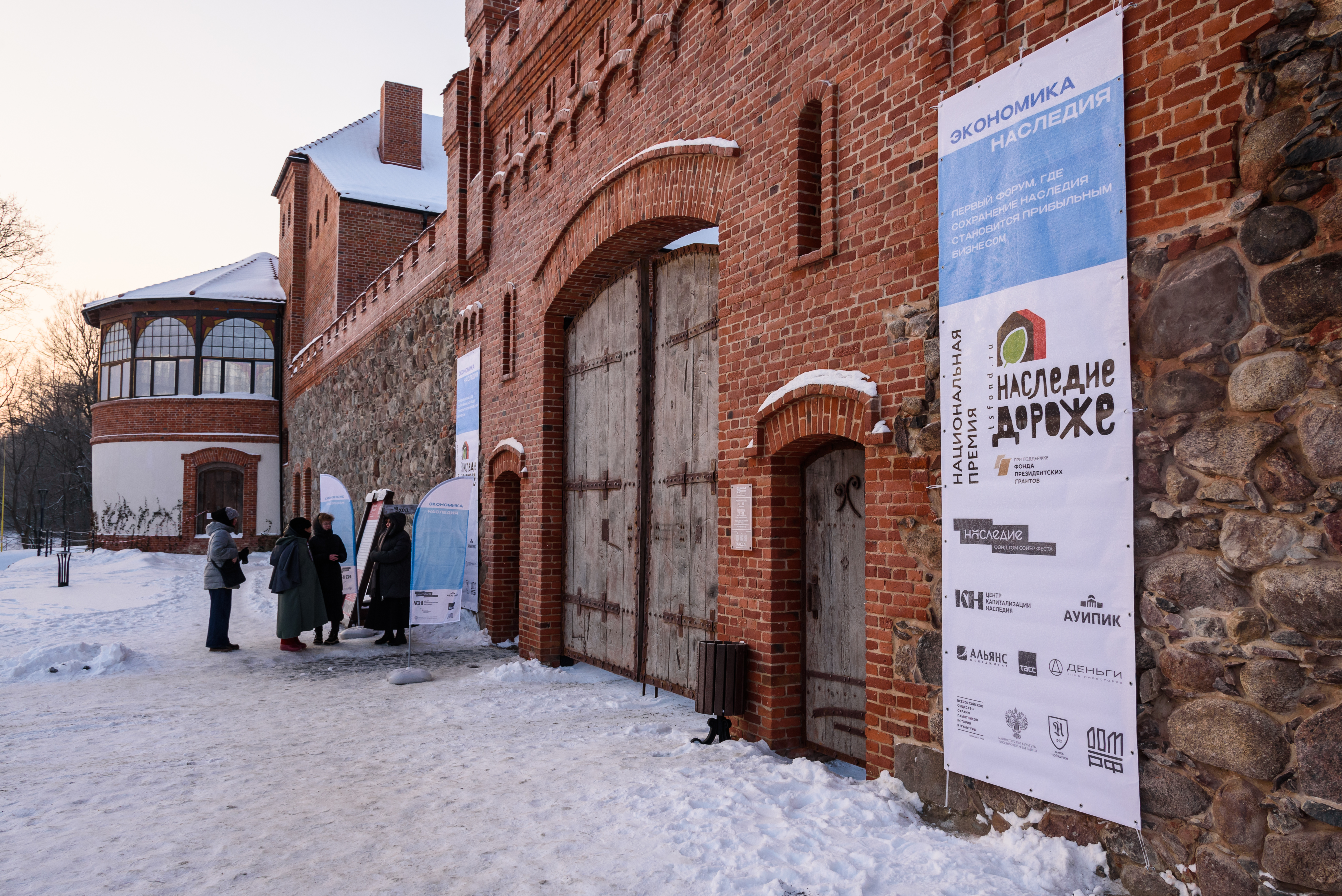
Photo: Valery Griganov