
A Living Legacy: How to Make Heritage Sites Relevant — Discussion at the HSE Forum
Sergei Georgievsky, Co-Founder of the Strategic Development Agency “CENTER”, opened the business programme of the 7th Youth Forum “Heritage”, held at the Cultural Centre of the Higher School of Economics. The event is organised by the Moscow Department of Cultural Heritage.
The urban-development expert moderated the Plenary Session titled “Preservation of Cultural Heritage as a Foundation of Sustainable Megacity Development.” Cultural heritage sites play a crucial role in shaping and maintaining urban identity, Georgievsky noted:
“Self-identification is of utmost importance for a sustainable city. Major metropolises face the greatest challenges in this regard. Numerous studies in urbanism, sociology and anthropology show that a city becomes resilient, reliable and safe at the moment when we identify ourselves as its citizens, ‘appropriate’ the city and assume responsibility for it.”
Over recent decades, the approach to safeguarding cultural heritage has been shifting in ways that benefit both the monuments and the urban environment at large, stressed Leonid Kondrashev, First Deputy Head of the Moscow Department of Cultural Heritage and Chief Archaeologist of Moscow:
“In the past, a church would be restored, locked up, and then thirty years later it needed restoration again. Any site that is not integrated into public life deteriorates quickly. Gradually, the focus moved from mere preservation to meaningful use of cultural resources.”
Among examples of such use, Kondrashev highlighted the placement of museums and even food halls within heritage buildings—such as Moscow’s “Depo” and “Tri Vokzala. Depo.”
Anatoly Azizov, Managing Director of DOM.RF, spoke about new nationwide support mechanisms being developed for investors in heritage properties. Parameters of a preferential lending programme for businesses involved in restoration and adaptive reuse of cultural heritage sites will soon be announced, along with other support measures.
“We have prepared amendments that, we expect, will soon take the form of law. Essentially, they will allow heritage-preservation projects to be linked with financially viable projects of other types. This means heritage sites can be incorporated as obligations within residential developments or commercial projects, enabling a balanced financial model and ensuring economic viability of cultural-heritage restoration,” Azizov stated.
International experts also shared their experiences. Zarui Mamyán, PhD in Architecture, Professor and Head of the Department of Urban Planning at the National University of Architecture and Construction of Armenia, spoke about how Yerevan is addressing challenges caused by population growth. In a video message, Min Lin, President of the Chinese Academy of Cultural Heritage, presented China’s experience. Samira Bouazizi, First Secretary of the Embassy of the People’s Democratic Republic of Algeria in Russia, focused on legal aspects of restoring heritage in the old part of Algiers, a UNESCO World Heritage Site, illustrating her talk with vivid images of restored historic houses, mosques and palaces.
“Sustainable development—regardless of the city, country or culture—is inseparable from heritage issues. There can be no sustainable cities without a sound heritage policy. The challenges are numerous, and each country develops its own approaches and architectural and urban-planning languages. These are needed to integrate monuments into today’s historic and cultural environment so that new sites that emerge alongside them may themselves become heritage. Only then do we obtain ensembles bridging different historical eras,” Georgievsky summarised.
The Forum brings together specialists in architecture, urban planning, territorial management and development. Its programme includes a student competition, lectures, masterclasses and film screenings.
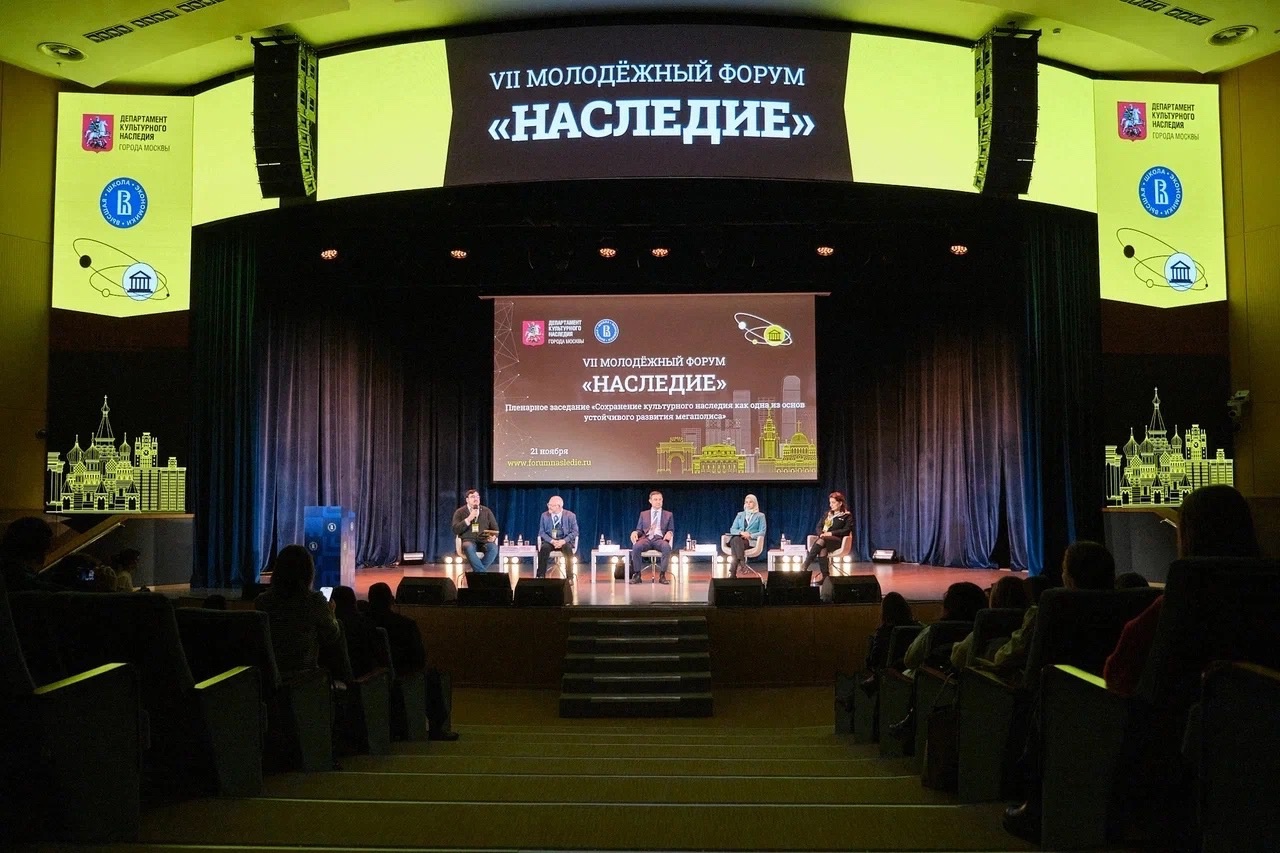
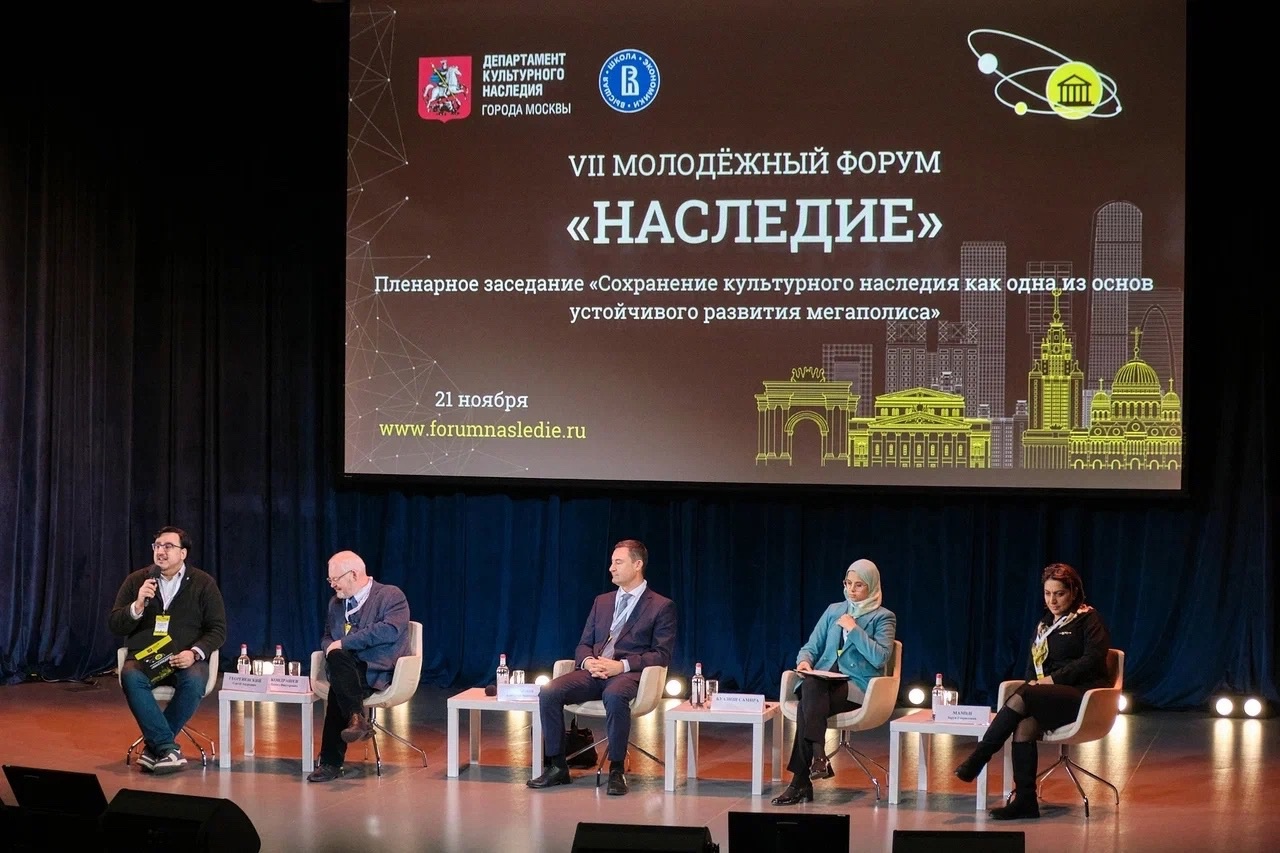
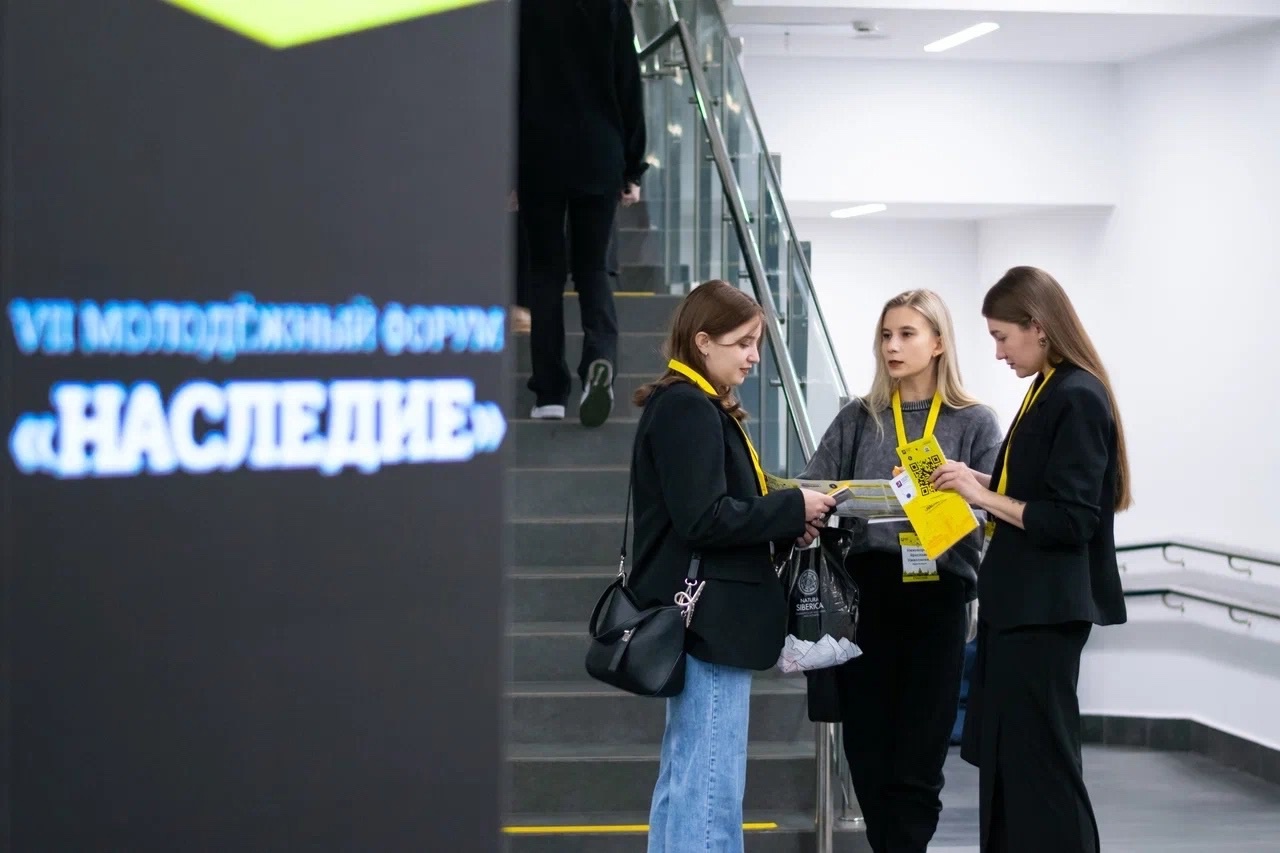
Photo: Youth Forum “Heritage”