
Industrial Cities of Krasnoyarsk Krai — Borodino, Nazarovo, and Sharypovo — Receive Master Plans from Top Industry Professionals
On January 23, a Jury meeting was held in Moscow to select the winners of the Open All-Russian Competition for the development of master plans for the cities of Borodino, Nazarovo, and Sharypovo in Krasnoyarsk Krai. As a result, the cities received comprehensive development plans through 2040, aimed at improving residents’ quality of life, enhancing urban infrastructure and environment, and attracting investments for projects that will give a new boost to the local economy.
The initiator of the Competition was the Mel’nichenko Foundation, and the operator was the Strategic Development Agency “CENTER.”
Tatiana Zhuravlyova, CEO of the Mel’nichenko Foundation, said: “The competition has concluded, and it was a significant undertaking. For the first time in Russia, we announced a competition for three cities simultaneously, ensuring that the projects were interconnected. One can say that first, second, and third place winners will ultimately help form a unified development product for each city. In reality, the work is only beginning. We will compile the best proposals from the master plans and create a final document for each area. We will definitely discuss everything with the Citizens’ Councils and start implementation this year.”
In the “Master Plan of Borodino” category, the winner was the consortium “Urban Impulses”, led by the architectural and urban planning bureau KB More, which also includes the Krasnoyarsk company FOSTER Design Workshop and a team of experts from Chechen State University named after A. A. Kadyrov. Second place went to the consortium “Monotown 2.0”, led by MAD FOX Architects (also including Innovatransport LLC and ANO RGP “Institute of the City”). Third place went to the consortium led by KSP Workshop LLC, which also includes IP Khakimulin Evgeny Vakifovich.
The winning master plan proposes a “sustainable monotown” model by developing additional economic sectors such as coal chemistry, small and medium-sized businesses, tourism, and urban services. Key projects include the construction of social housing for over 200 families, creation of a socio-pedagogical college producing 150 specialists annually, the formation of an agrocluster (greenhouse, processing, agro-tourism complexes, and a dairy farm), the improvement of Borodino Lake, and the creation of an art residence with a capacity of up to 800 people. The total cost of key projects is estimated at nearly 4 billion rubles.
The plan also provides for the creation of an industrial park, reconstruction of streets and roads, courtyard improvements, modernization of social infrastructure (including schools), and construction and renovation of water intake facilities. The master plan includes over 30 initiatives. By 2040, the population is expected to grow by nearly 10% (up to 16,200 people), average life expectancy by approximately 6% (up to 75 years), the share of people employed in small and medium-sized businesses to triple (up to 15%), tourist flow to nearly triple (up to 17,600 visitors annually), and housing stock to increase by approximately 15% (up to 518,000 sq. m).
Alexander Veretennikov, Mayor of Borodino, noted: “We are accustomed to practical solutions. In our current situation, projects that can be implemented quickly and are understandable to residents are most valuable. What attracted us most in the winning proposals were new housing construction, water supply, and landscaping initiatives. These directions will allow us to continue developing.”
In the “Master Plan of Nazarovo” category, the winner was the consortium “Adaptive-A + S2”, led by ADAPTIK-A, which also includes ZAPSIBNII Project.2 LLC, Sibproektstroy, Project Workshop “Classica”, and IPG Estate. Second place went to the urban planning institute Krasnoyarskgrazhdanproject, and third to the consortium IND X ISMATULAEVA & PARTNERS, led by IND LLC (including IP Ismatulaeva & Partners).
The winning master plan envisions Nazarovo as a “social campus” and aims to create spaces for new economic activities and public engagement, increase residents’ incomes, and improve the ecological situation by upgrading utility infrastructure. The plan includes over 40 projects and initiatives. Key projects include the creation of an industrial hub comprising an agri-hub and data processing center (with investments estimated at 12 billion rubles), development of tourism infrastructure (industrial and event tourism, creation of a recreational cluster, with proposed funding of 2 billion rubles), and ecological improvements (10 billion rubles).
The document also provides for greening the main city square and installing art objects, developing transport infrastructure (pedestrian routes, street and road networks, updating vehicle fleets), building new schools and kindergartens, upgrading existing ones, improving sports facilities (construction of a swimming pool and a “phygital” center), creating multifunctional public spaces in different city districts, new sewage, heating, and water supply networks, and wetland system development. Total investment is estimated at 28 billion rubles.
Vladimir Saar, Mayor of Nazarovo, said: “Competition participants deeply immersed themselves in the city’s issues when preparing their proposals. They felt like residents of Nazarovo — this was very important to me.”
In the “Master Plan of Sharypovo” category, first place went to a consortium led by the Moscow architectural and urban planning bureau Master’s Plan, which also includes the St. Petersburg company Imhotep-Development. Second place went to the Red FOCs consortium, led by RED BUSINESS LLC, which also includes Financial and Organizational Consulting LLC and URBAN TECH. Third place went to an individual participant — URBAN PRO LLC.
The winning plan proposes transforming Sharypovo into a “federal center for technology and innovation in the coal and energy industries.” The driving force will be the Design and Production Center, a multifunctional platform for producing, among other things, carbon products (e.g., drones, medical devices), furniture, and “urban modules” — structures for city improvement. The project also includes a business incubator, a youth innovation center, and an exhibition space, with investments estimated at nearly 7 billion rubles. Other key projects include a data center (almost 19 billion rubles) for cryptocurrency mining and a transport-logistics complex in Dubinino with a cargo flow of at least 0.5 million tons per year.
The master plan includes over 200 projects: a regional airport, youth centers, a waste sorting and recycling complex, new apartment buildings (almost 400,000 sq. m), courtyard improvements, sidewalks, pedestrian crossings and bridges, road repairs, updated public transport, an ice palace, new kindergartens and schools. Tourism development is also planned — industrial (26,000+ tourists/year), skiing (60,000 visitors), and paleontological (around 100,000 visitors).
Total planned investments exceed 79 billion rubles, with the majority (over 53 billion rubles) coming from private investments. By 2040, local wages are expected to grow by 7–8.5%, and tax revenues will rise (e.g., corporate income tax revenues up 86% to 294 million rubles).
Vadim Khokhlov, Mayor of Sharypovo, stated: “The main achievement of the winners was looking beyond the immediate horizon and identifying the main direction and goal that we must pursue together, with adjustments where necessary.”
The competition was announced in August 2024, with participation from over 60 companies from 11 regions of Russia.
Sergey Georgievsky, co-founder of the Agency “CENTER”, emphasized: “The competition is significant, especially as it focused on the problems of industrial Siberian cities, which had not been addressed before. As a result, the topic is now widely discussed in professional circles, giving new momentum to solving northern industrial territory issues.”
Detailed information about the competition is available on its official website.
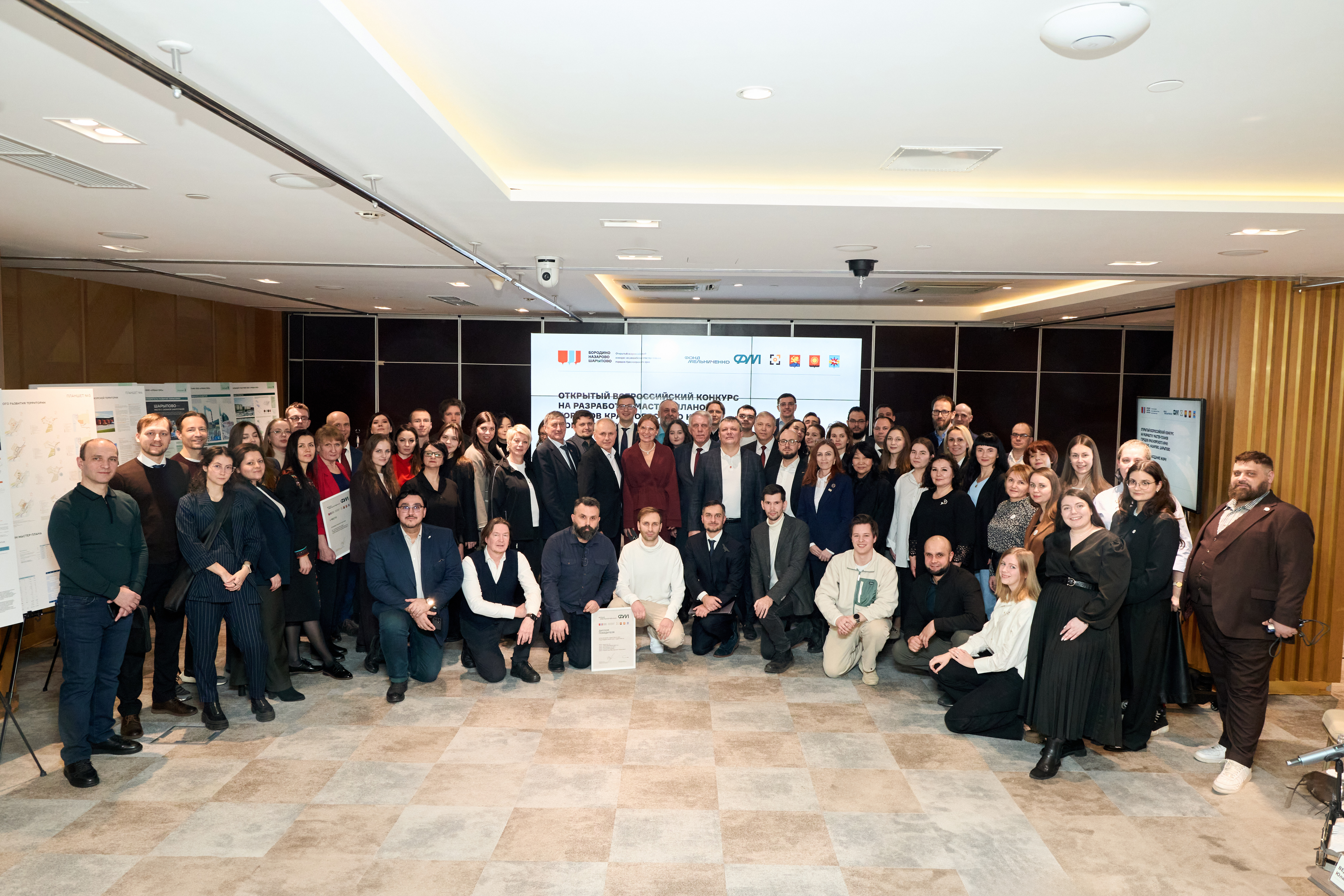
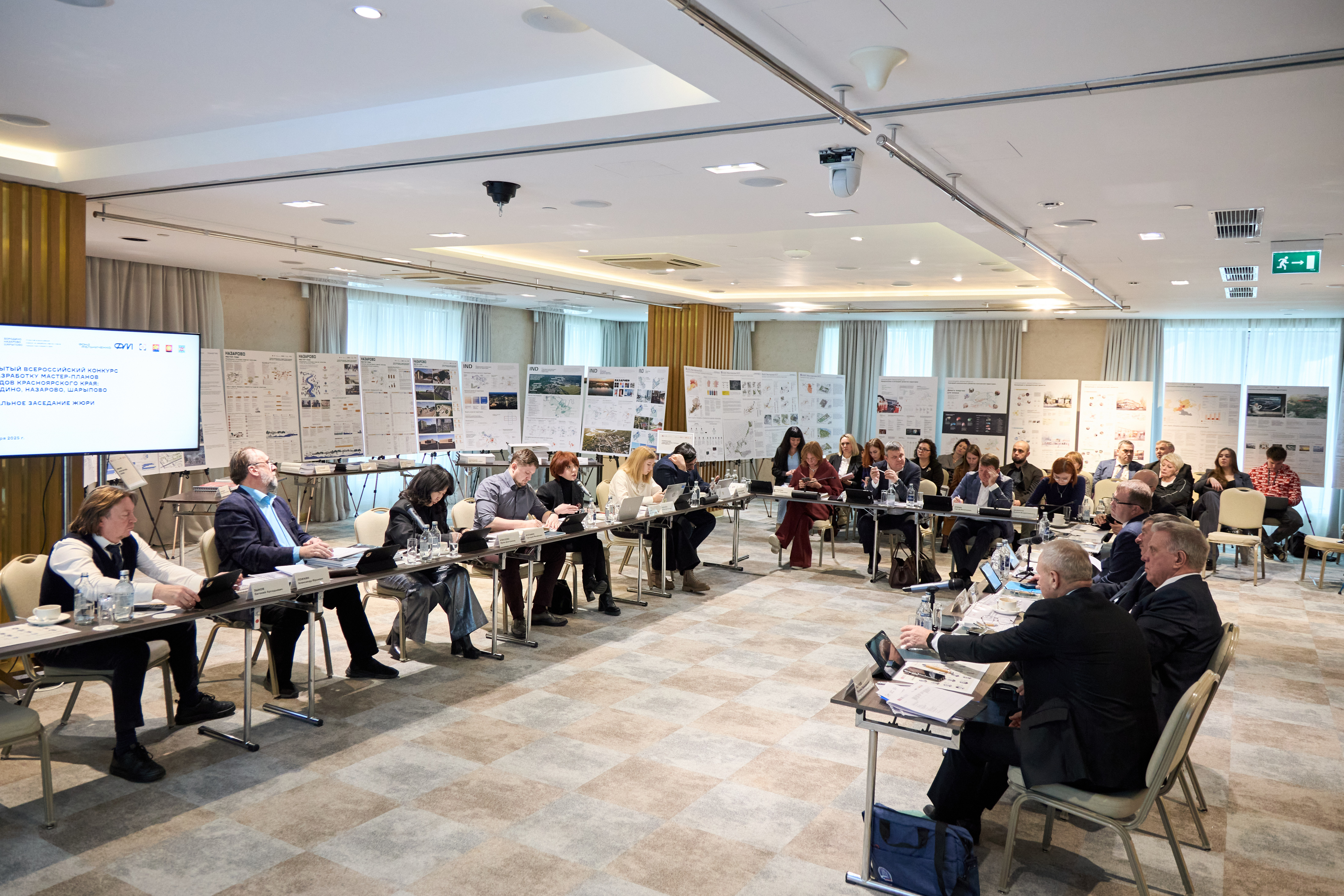
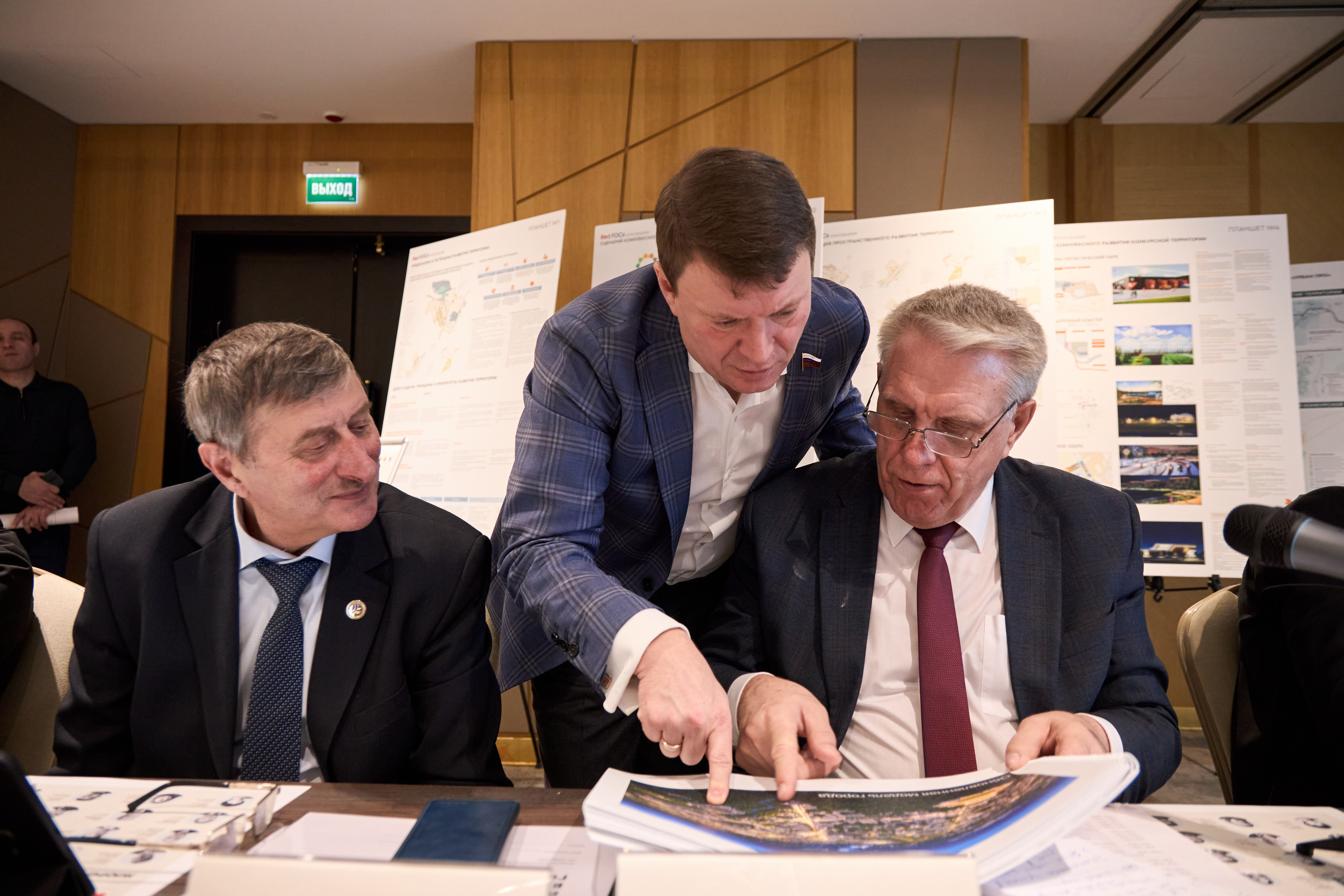
Photo: Nikolay Sokolov