
Sergiev Posad as a Laboratory of Urban Change: Experts Discuss the Future of Historical Cities
On May 30, at the Yuri A. Gagarin Palace of Culture in Sergiev Posad, a session titled “City as a Process: The Experience of Sergiev Posad in Reinterpreting the Philosophy of Urban Planning” was held. The event, moderated by Sergey Georgievsky, co-founder of the Strategic Development Agency “CENTER,” brought together leading experts in urban planning, architecture, and territorial management.
A City Between Past and Future
Sergiev Posad is a unique example of a city where historical heritage becomes the basis for modern transformations. As Sergey Georgievsky noted, the key task is to maintain a balance between development and traditions:
"People expect change but are simultaneously afraid of it. Without change, however, the city cannot develop. Sergiev Posad has already become a laboratory for new planning approaches, and its experience can be useful for other historical cities in Russia."
In the coming decades, the city will develop along its perimeter, relocating business activity from the center to new administrative zones. Meanwhile, the historical part (over 400 hectares, including the Trinity Sergius Lavra) will become a cultural and historical complex with comfortable infrastructure for residents and tourists.
Topics Discussed:
How to explain the need for change to residents?
Sergey Pakhomov, Chairman of the State Duma Committee on Construction, emphasized that development must proceed through open dialogue with citizens.
The role of monasteries in city life
Bishop Kirill spoke about how the Lavra interacts with the modern urban environment.
DOM.RF experience and new projects
Ksenia Bazanchuk shared plans for further implementation of the city’s development strategy.
Architecture of the future
Student Ignaty Achkasov presented a thesis project inspired by transformations in Sergiev Posad.
Can this experience be replicated in other cities?
Experts agreed that Sergiev Posad’s approach is universal. The main principles are:
Preserve historical heritage as a shared resource.
Involve residents in the change process.
Develop the city as a “living process,” not a “finished product.”
Sergiev Posad shows that even historical cities can undergo bold transformations, provided it is done thoughtfully and in collaboration with residents.
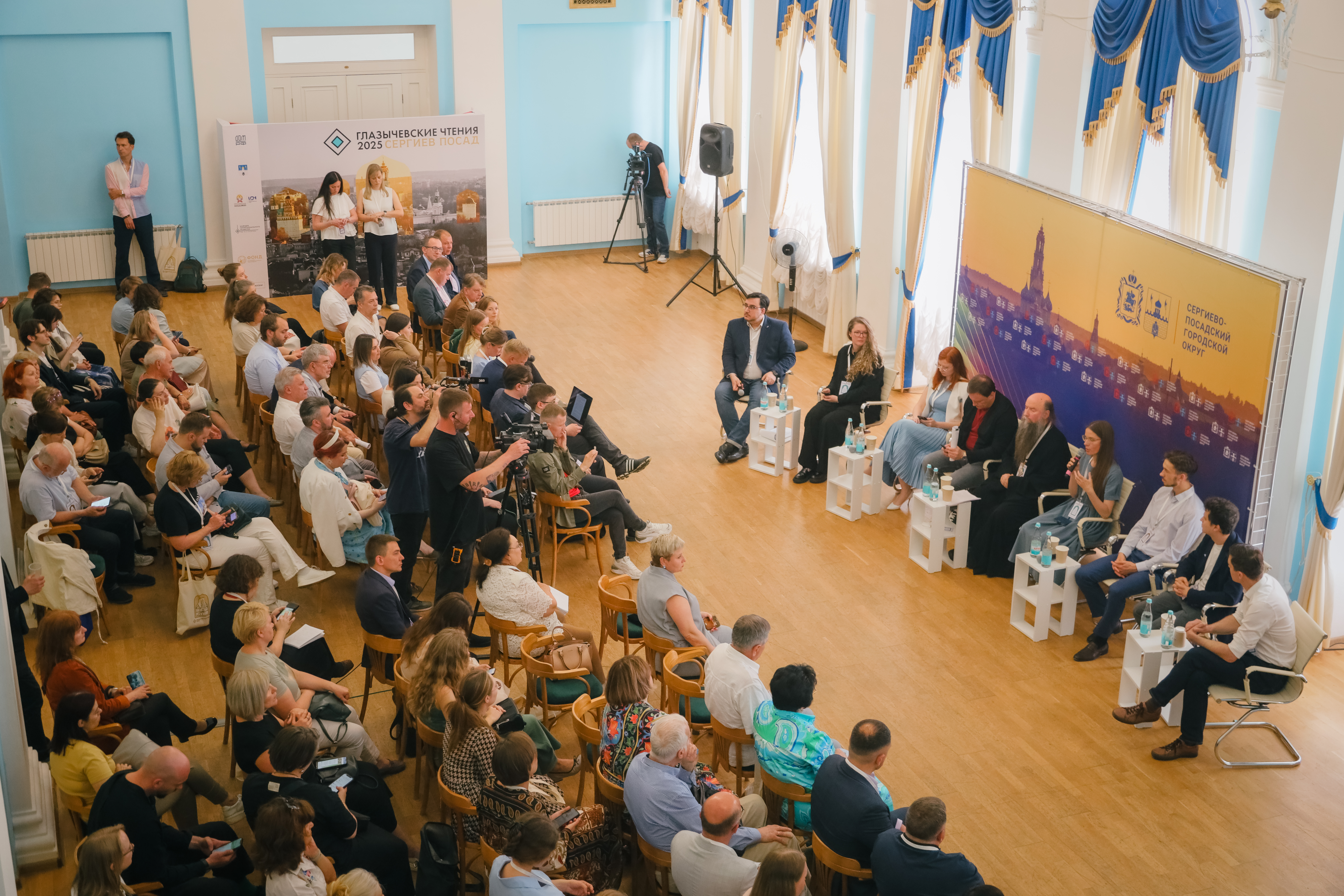
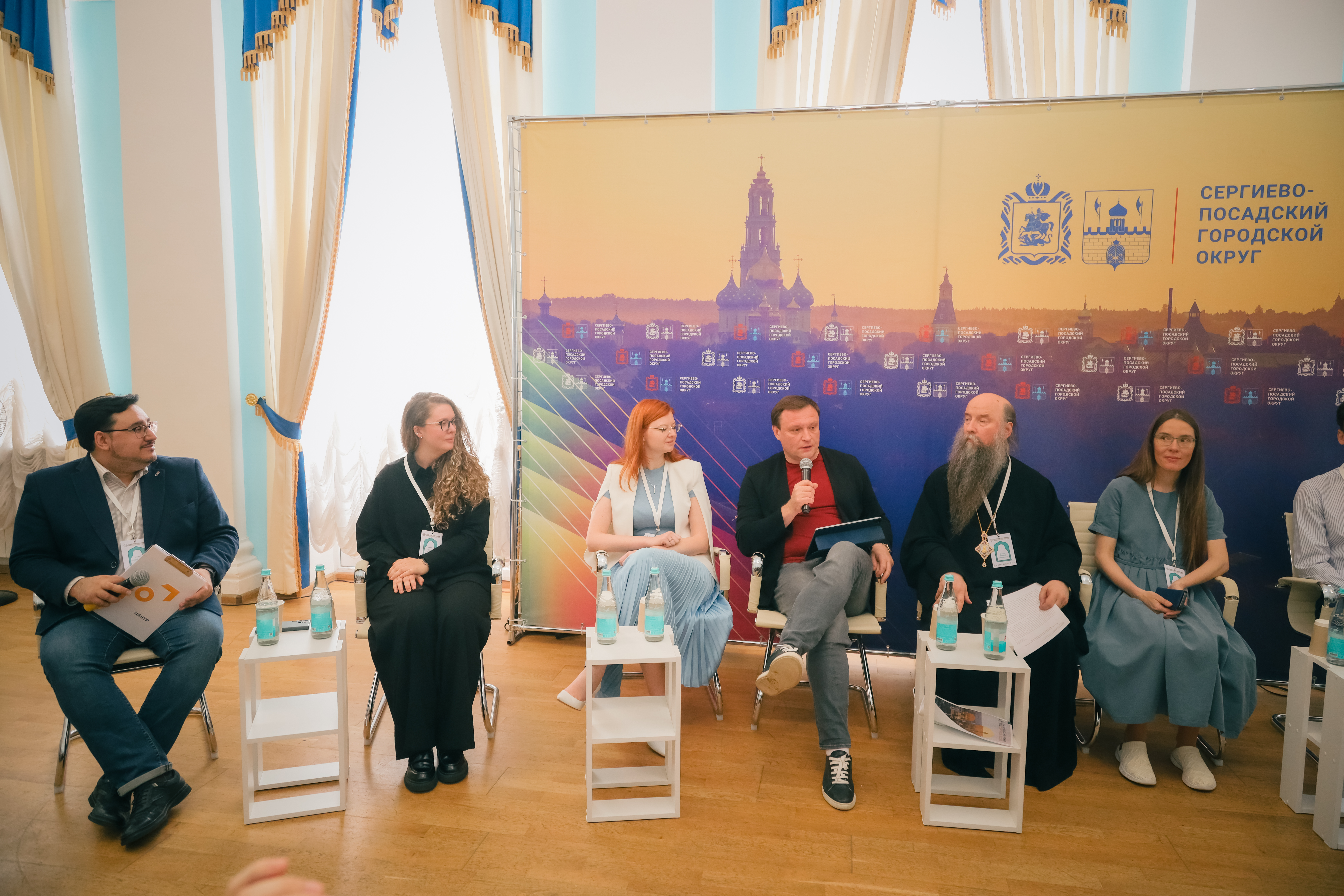
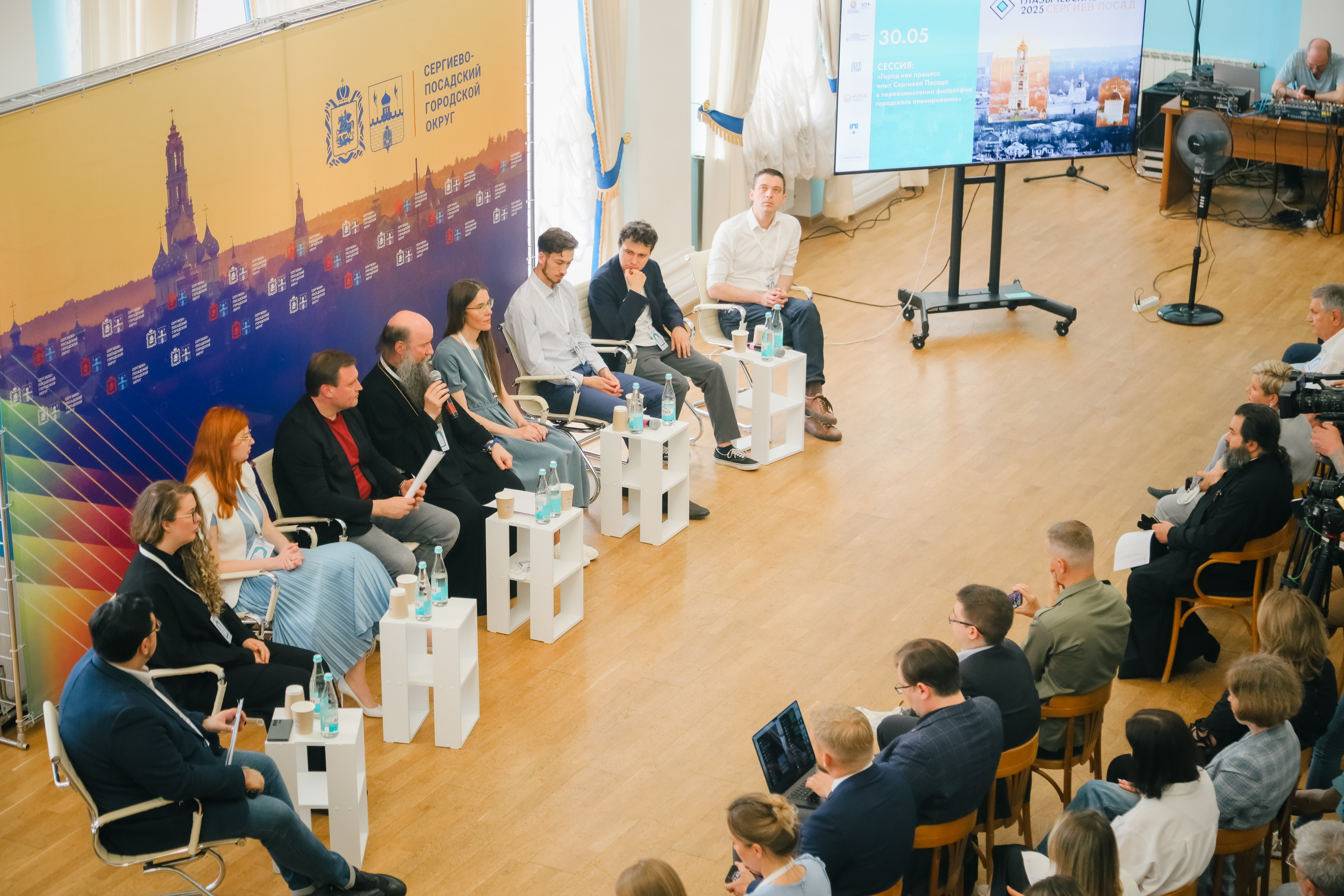
Photo: Press Service of the Scientific-Practical Conference “Glazychev Readings”