
Future Vision for Master Plans: Sergey Georgievsky Shared His Perspective on Strategic Territorial Development Tools
Sergey Georgievsky shared his views on the future of master planning in the face of new challenges. He participated in a roundtable titled “Waiting for a New Wave: Lessons from Master Plans and Future Tasks” at the Higher School of Urbanism during the A. A. Vysokovsky Forum — 2025.
The discussion focused on challenges that arise during periods between waves of interest in master planning—when strategic planning documents for the Far East and Arctic cities have already been completed, yet the large-scale development of 200 master plans nationwide is only beginning.
Georgievsky highlighted an issue known as dumping:
“A common model, called ‘distributed offices,’ has emerged. Many organizations registered in Moscow outsource work to students, graduates, and remote professionals, and at best, experienced designers finalize the output. When a long-standing company sets a price of, say, one million rubles, a competitor may undercut it by a factor of three, and negotiations often end there.”
He stressed the need to standardize the content and preparation of master plans, as clients often do not understand the purpose of these documents, leading to confusion.
“Legislative regulation may complicate work and make documents heavier, but it will enable more cities to obtain master plans, especially those facing development challenges,” Georgievsky noted.
Experts also discussed emerging new forms of strategic planning tools: less standardized concepts of comprehensive or targeted development, spatial development strategies, and business- or investment-oriented documents. Traditional master plans may not suit these tasks, as they are legally defined as long-term strategic planning documents.
Anton Finogenov, Director for Urban Development at DOM.RF, warned that uncertainty in legislation could reduce market participants and drive specialists to other fields. Nevertheless, the goal remains to create 200 master plans by 2030, including for major cities.
Other participants, including Ekaterina Manzhula (Andrey Melnichenko Charitable Foundation), Galina Pivovar (MSU), and Varvara Molodtsova (Higher School of Urbanism), emphasized making master plans practical, focusing on internal growth points while viewing external incentives as opportunities rather than primary drivers.
Tourist-oriented master plans are currently in high demand due to domestic tourism growth. Ksenia Titova (VEB.RF) noted that success depends on correctly prioritizing territories for implementing key projects.
The discussion concluded that master planning in Russia is entering a new stage, with potential radical changes in both form and content.
Forum details: vysokovsky.hse.ru
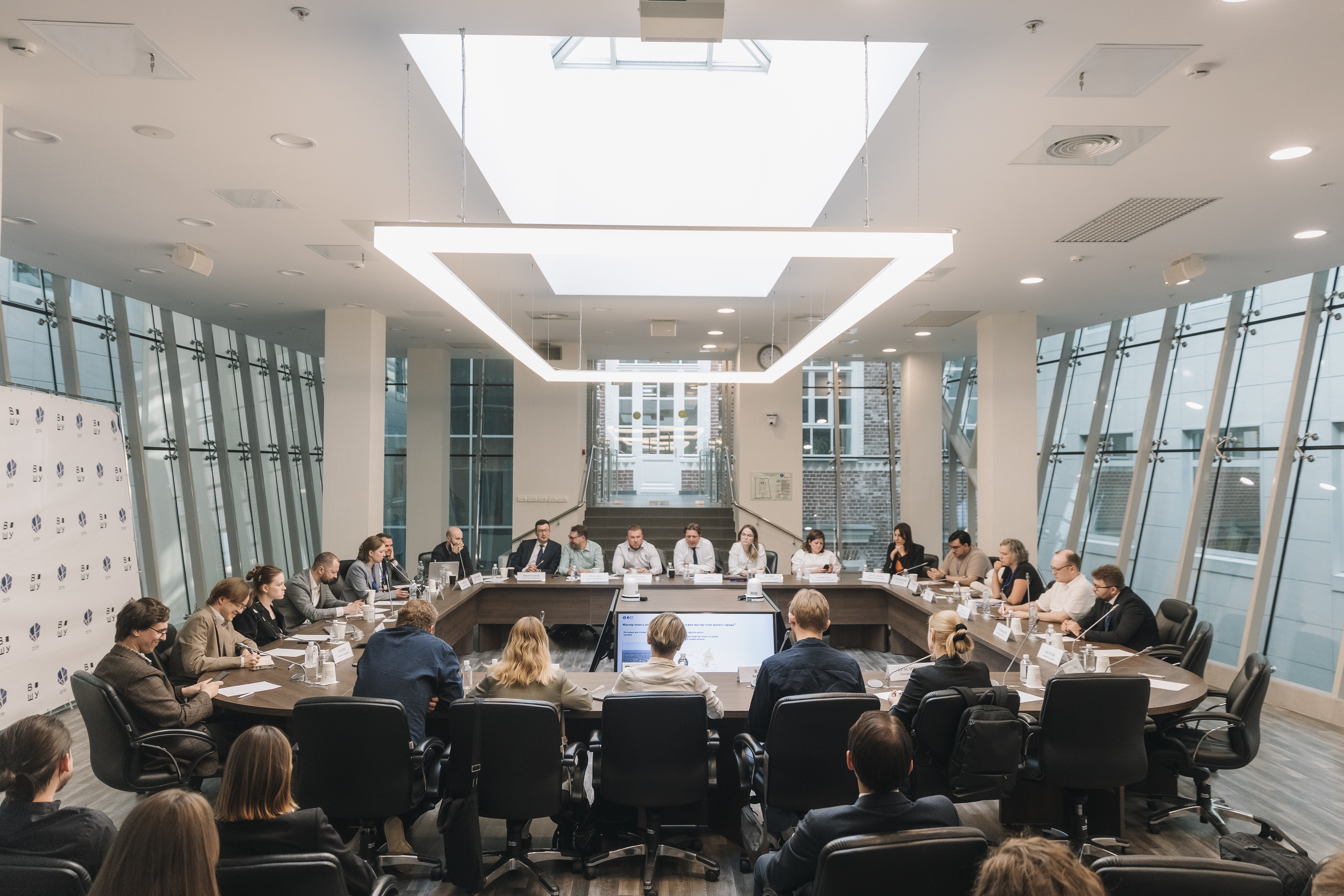

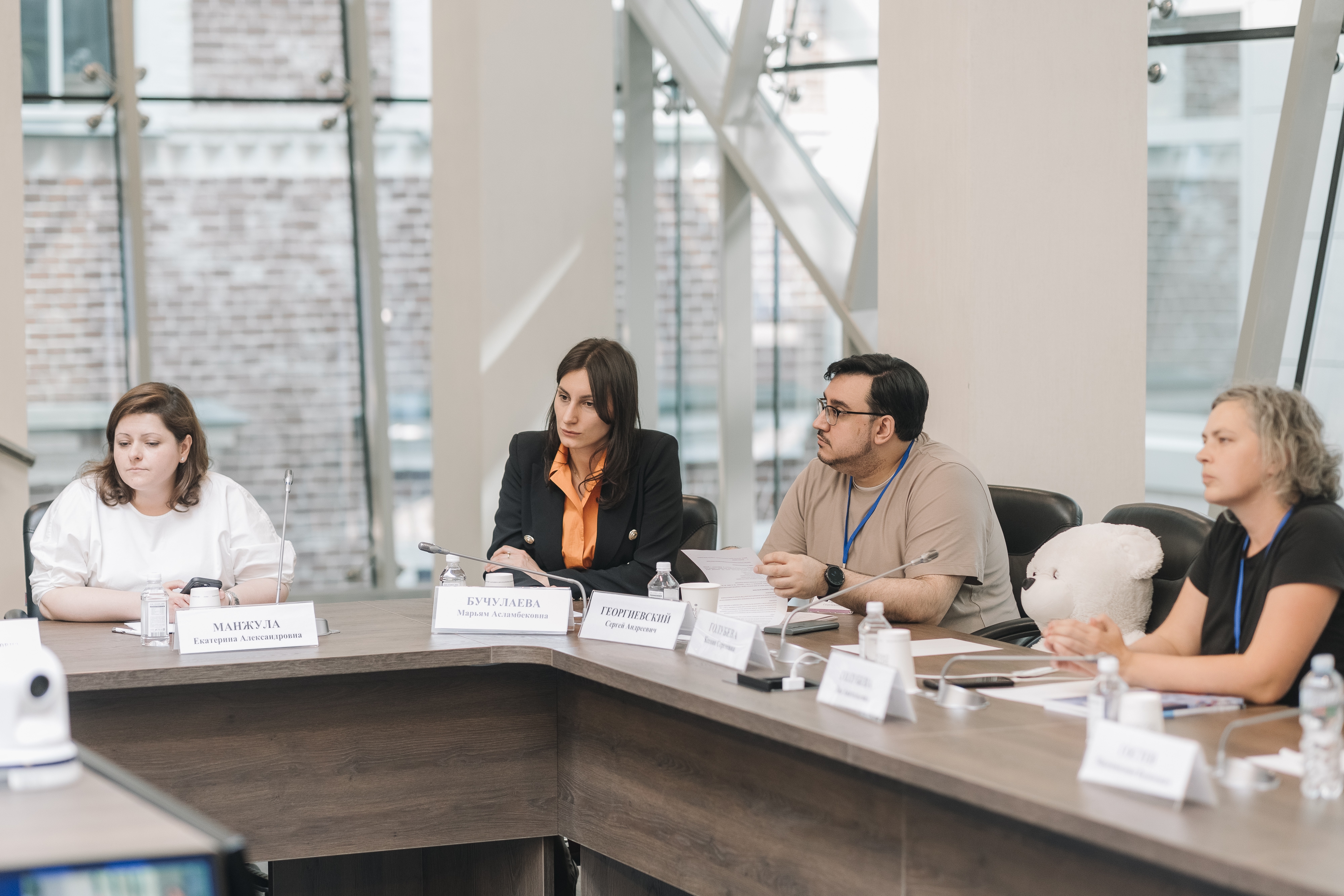
Photo: A. A. Vysokovsky Forum — 2025