
How to Revitalize Kasimov: Vladislav Nikolaev Presented Mechanisms for “Restarting” Historical Cities at ArchHeritage
Among the many urbanism and architecture festivals in Russia, one stands out for its particularly noble mission: preserving cultural heritage. Each early summer, hundreds of architects, restorers, and specialists in the protection of historical sites gather at the Architectural Heritage festival, organized by the Union of Architects of Russia. Traditionally, the festival is held outside Moscow. This year, it took place in Ryazan, one of Russia’s key historical cities.
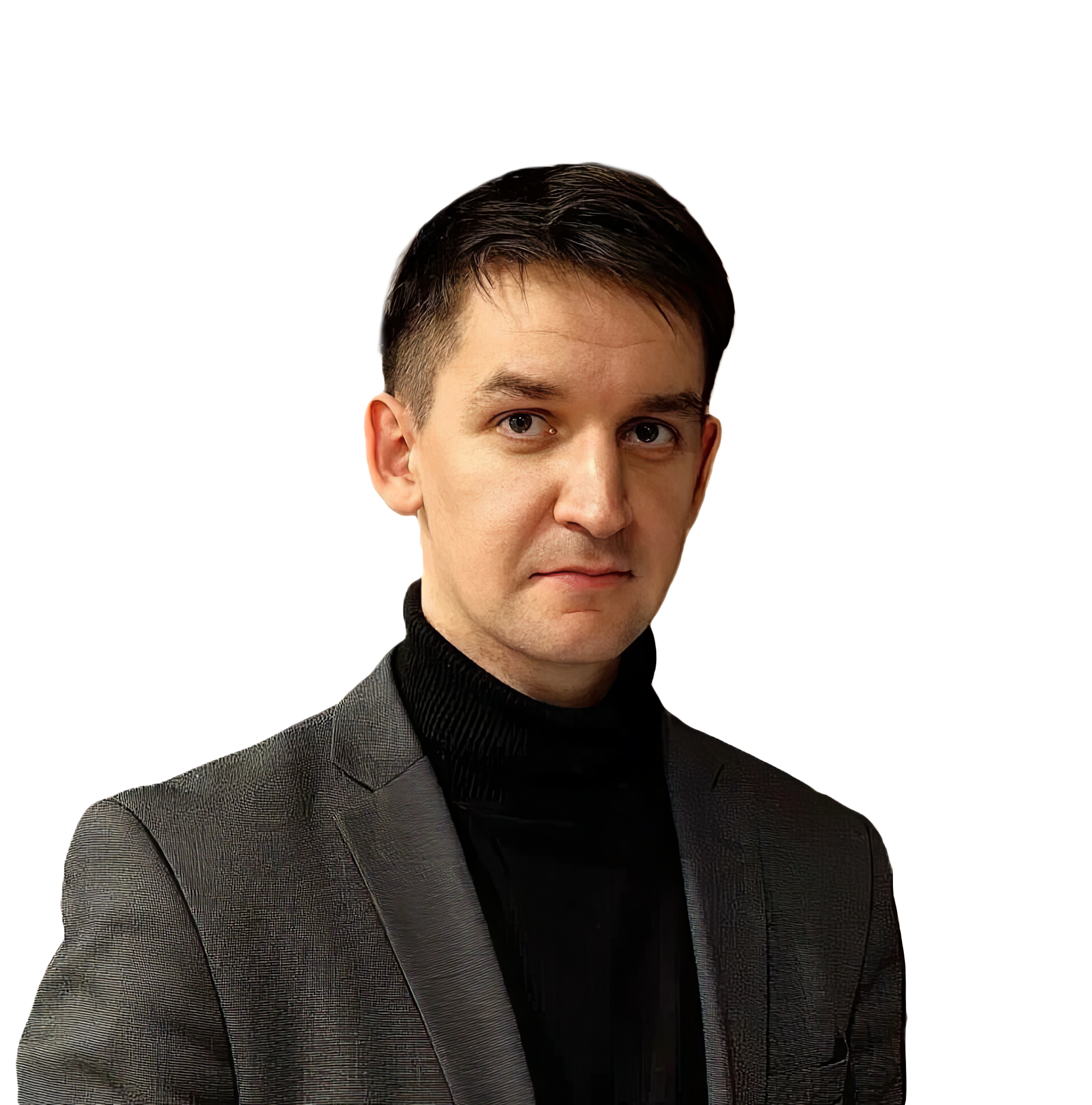
Vladislav Nikolaev, head of the analytical group at the Strategic Development Agency “CENTER”, attended the event and presented to the professional community mechanisms for using sustainable development tools to “restart” historical cities.
Russia has hundreds of historical towns, many facing similar challenges: population decline and shrinking inhabited areas. One illustrative example highlighted in Nikolaev’s lecture was Kasimov, located in the Ryazan region. The presentation, titled “Developing Sustainable Development Mechanisms for Territories: The Case of Kasimov”, was co-delivered by Maria Asharina, an expert in regional development and creative industries.
Kasimov is, on one hand, a repository of historical monuments—Tatar architecture from the 15th century, 17th-century churches, and 19th-century houses—situated on the picturesque banks of the Oka River amid the protected Meshchyora forests. On the other hand, many of its buildings are in disrepair, infrastructure is aging, good jobs are scarce, and the population has declined by about a quarter since 2000, to just over 27,000 people.
At the same time, Kasimov has significant tourism potential, making it ideal for history, ethnography, and leisure tourism. To realize this potential fully, a comprehensive and sequential urban and economic policy is required, Nikolaev emphasized. One critical area for revision is the taxation system.
Vladislav NikolaevHead of the analytical group at the Strategic Development Agency “CENTER”
Currently, 68.4% of tax and non-tax revenues come from profit and personal income taxes—federal and regional. Local taxes (on property, land, and trade) are insignificant and thus do not support development. Moreover, the mechanism for returning federal and regional taxes to the local level is inefficient, occurring in multiple stages, highlighting the need for improved budget planning.
Revitalizing the city also requires maintaining and developing infrastructure, redeveloping urban spaces and monuments, and applying tools such as master plans to identify key projects, redevelop industrial zones, develop tourism economies, and promote the city’s unique image and events calendar. The ultimate goal is to increase tourism and improve residents’ quality of life.
The VIII All-Russian Architectural Heritage Festival took place from June 5–7, with over a thousand architects and restorers from Russia and abroad attending.
For more details: archnasledie.ru
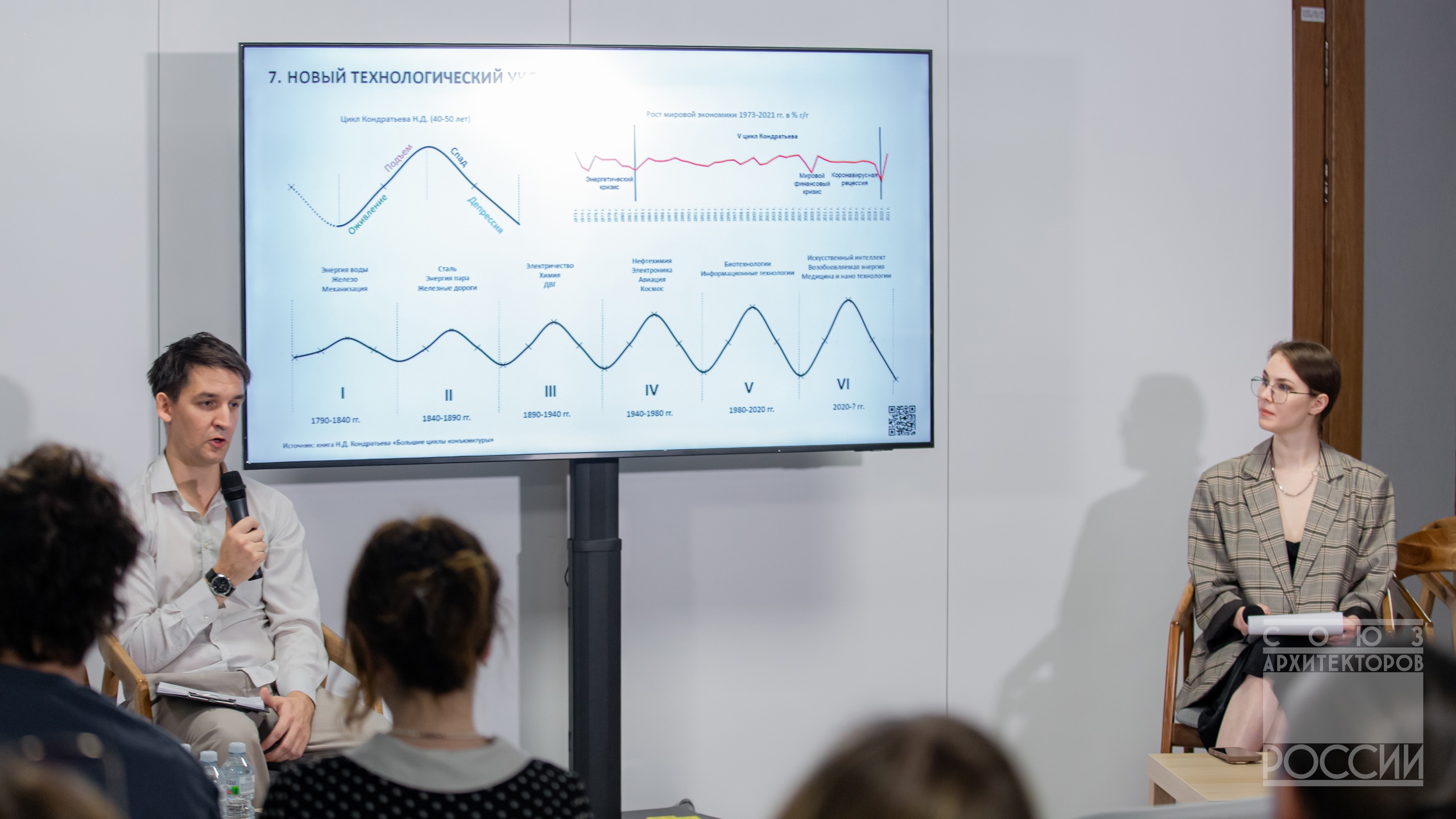
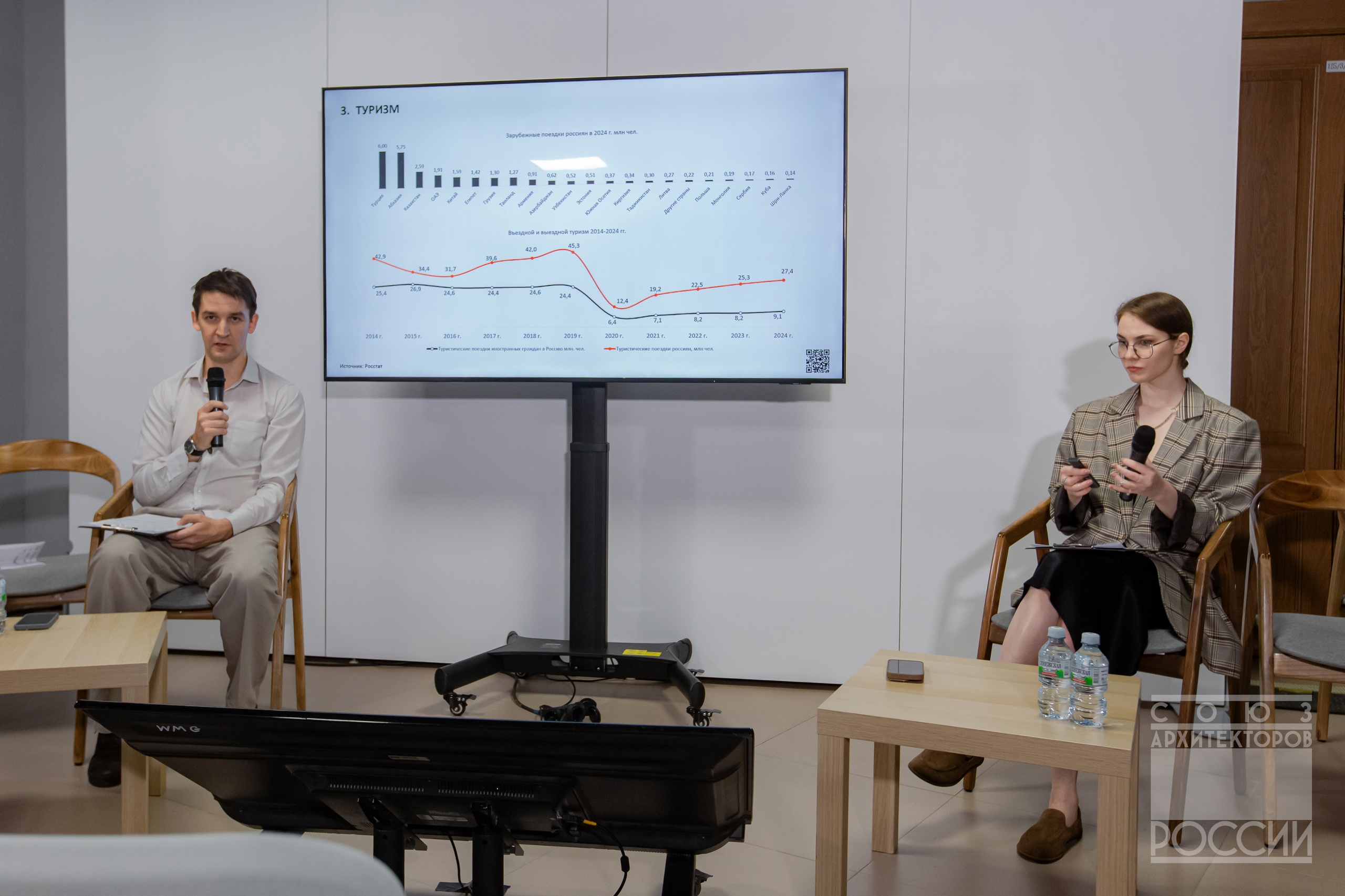
Photo: Union of Architects of Russia