
New Economic Geography: Visionaries Discuss the Future of Russian Cities
Which regions are the most promising for socio-economic growth? How can cities find their development vector and increase investment attractiveness? Sergey Georgievsky, co-founder of the Strategic Development Agency “CENTER” participated in the CRE SUMMIT “What’s the Future?” in Sochi, a meeting of commercial real estate market leaders. One discussion focused on new economic geography.
The Russian government approved the Spatial Development Strategy for the country through 2030. The document outlines goals, priorities, and main development directions for various territories, including the creation of growth points — geostrategic regions, key settlements, major urban agglomerations, and promising economic centers. Development of these regions aims to improve quality of life across the country. The unified list includes 2,160 cities and urban-type settlements and over 40 urban agglomerations.
At CRE SUMMIT, Sergey Georgievsky shared CENTER’s practice in developing analytics and master plans for geostrategic regions (Chechen Republic, Sakhalin Region), urban agglomerations (Astrakhan agglomeration), and key settlements (Norilsk, Minusinsk), prioritized in the Strategy. These documents focus on regional development, creating comfortable living and professional opportunities for residents, and solving tasks such as optimizing territorial economic organization and developing infrastructure.
Sergey GeorgievskiiCo-founder of the Strategic Development Agency “CENTER”

Cities where state and business interests complement each other are among the most promising for socio-economic growth. Besides million-plus cities, this includes cities with major corporate presence, key geostrategic regions, and proactive regions with strong management teams.


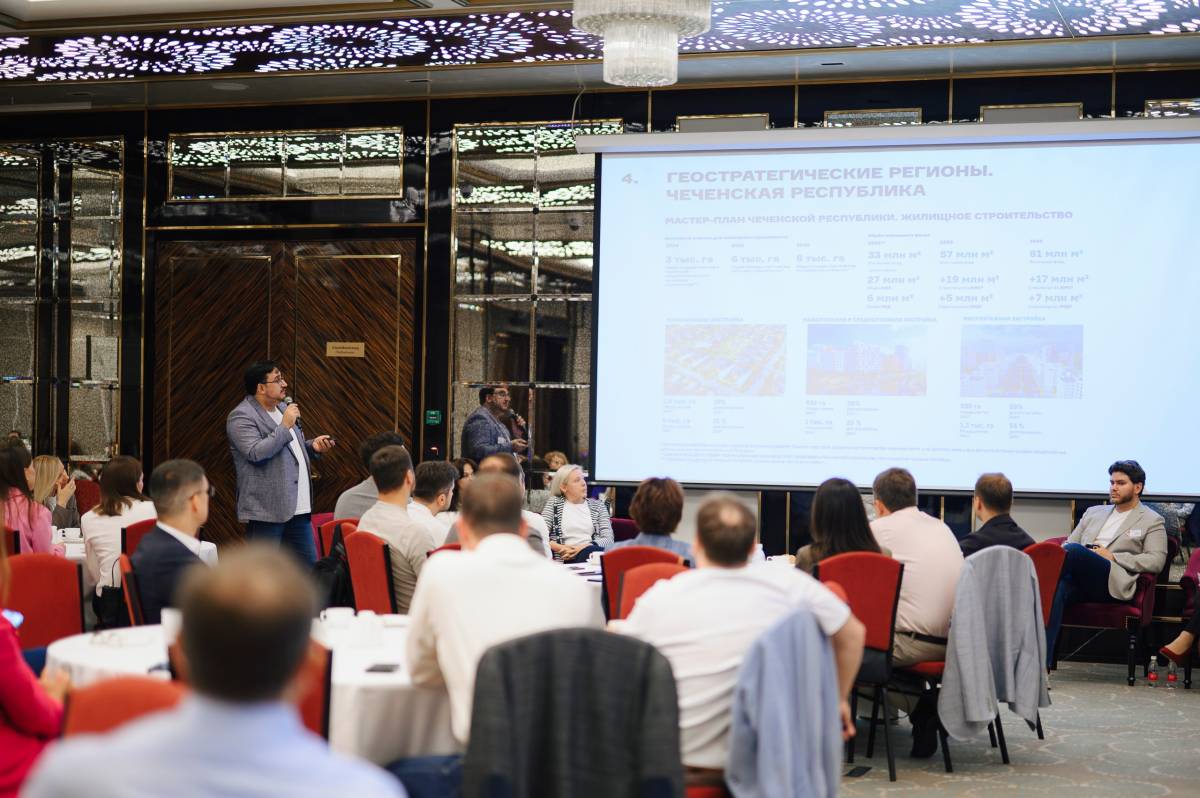
Photo: CRE SUMMIT / cre.ru