
CENTER’s Expertise for Regions: Nikolay Timchenko at the Ryazan Forum on Master Planning for Tourism Development and Collaboration with Authorities
Nikolay Timchenko, CEO of the Strategic Development Agency “CENTER,” participated in the business forum “Development. Urban Improvement. Tourism — 2025,” which brought together hundreds of entrepreneurs and government officials from dozens of Russian cities. The top manager spoke about the role of master planning in regional tourism development, citing unique examples from the company’s practice.
According to the expert, including tourism projects in master plans can play a key systemic role in regional tourism development. This approach allows:
- Integration of tourist infrastructure into the overall development strategy of a territory;
- Reduction of risks for investors through careful project planning in terms of timelines and investment volume;
- Unlocking the potential of new industries (such as creative industries and the experience economy);
- Management of tourist flows, making them less dependent on seasonal factors and influencing the duration of visitors’ stays.
“A master plan is not just a declarative document but an instruction for action, where tourism becomes a catalyst for change across the entire territory. Modern tourism is a complex mechanism where natural potential, historical and cultural heritage, and economic logic must work synchronously. That is precisely what master planning enables,” emphasized Nikolay Timchenko.
For instance, the strategic master plan of the Chechen Republic (the first in Russia for an entire federal subject) is expected to nearly double the number of tourist nights in the region, while the Minusinsk master plan will make the city attractive year-round, drawing guests not only from neighboring regions of Siberia and the Urals but also from Moscow and St. Petersburg.
Timchenko also highlighted the aspect of master planning that unites the goals and resources of different participants: residents, businesses, development institutions, and government bodies.
This topic was discussed at the round table “Government and Business — Strategic Partnership,” which addressed principles for selecting investment projects in tourism and integrating them into master plans.
“Government creates entire ecosystems for tourism development, both at the macro-regional level, such as Russia’s Eastern South, Baikal, or the Far East, and at the local level—for specific territories, cities, or districts. Local authorities are ready to cooperate in implementing key tourism projects, including changing land use and developing infrastructure. At the same time, attracting investment remains challenging: regions often lack mechanisms to bring in financial partners. The solution may be to turn to professionals—specialists in working with investors and government bodies. Experience in this area exists, including among organizations specializing in urban consulting and territorial development,” noted Timchenko.
The interregional business forum “Development. Urban Improvement. Tourism — 2025” took place in Ryazan on July 30–31 and focused on designing future infrastructure, creating high-quality urban environments, and launching breakthrough tourism projects.
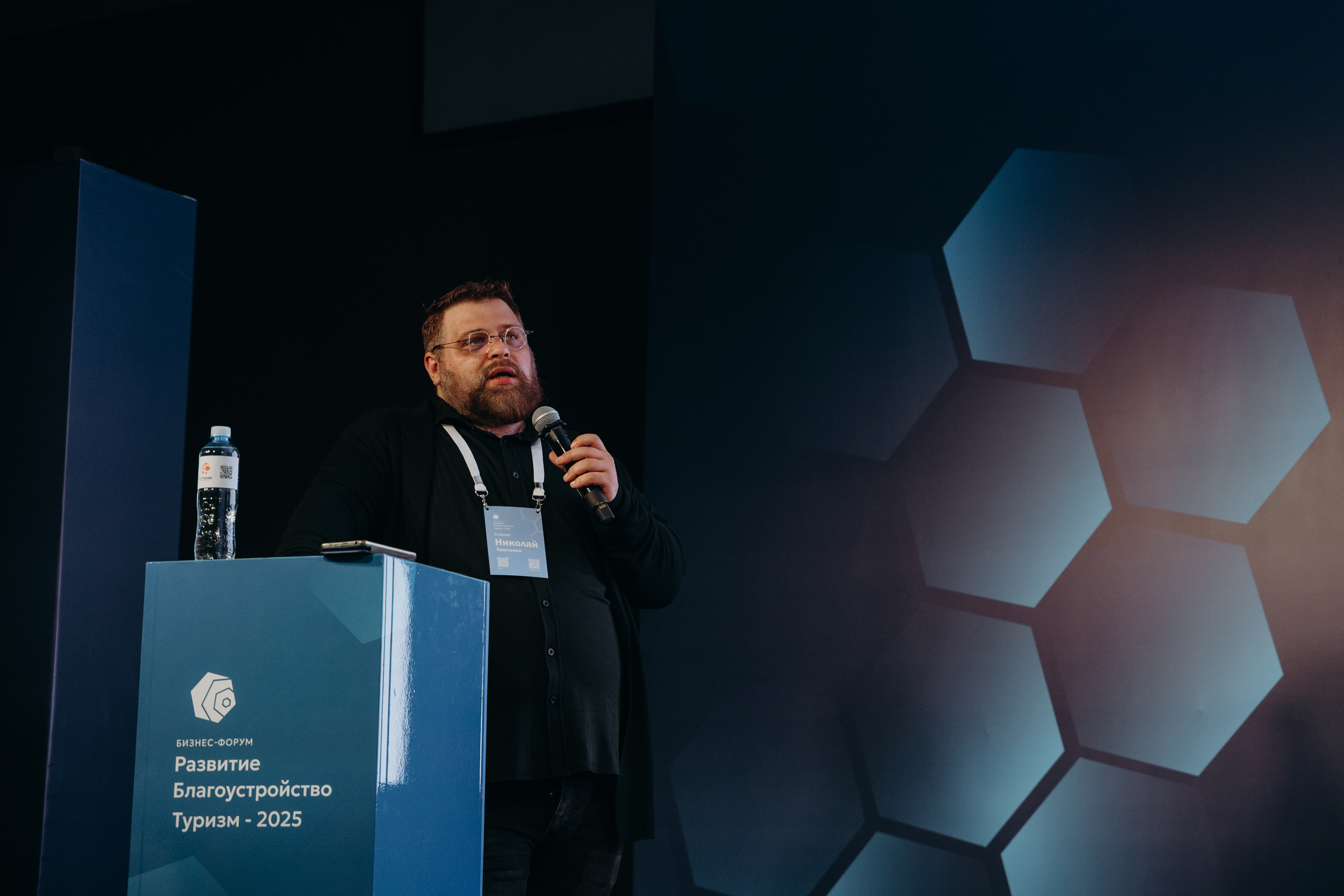
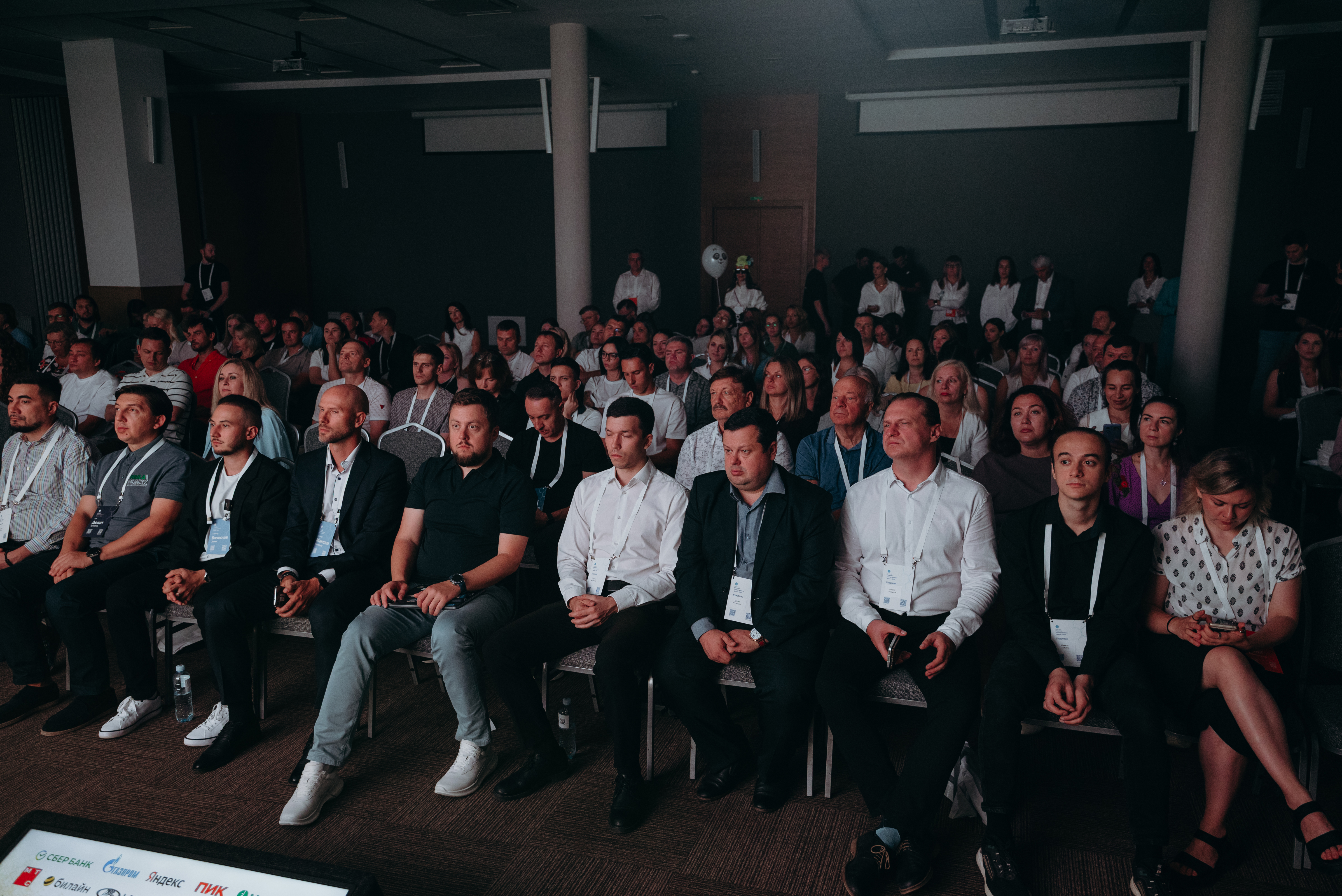
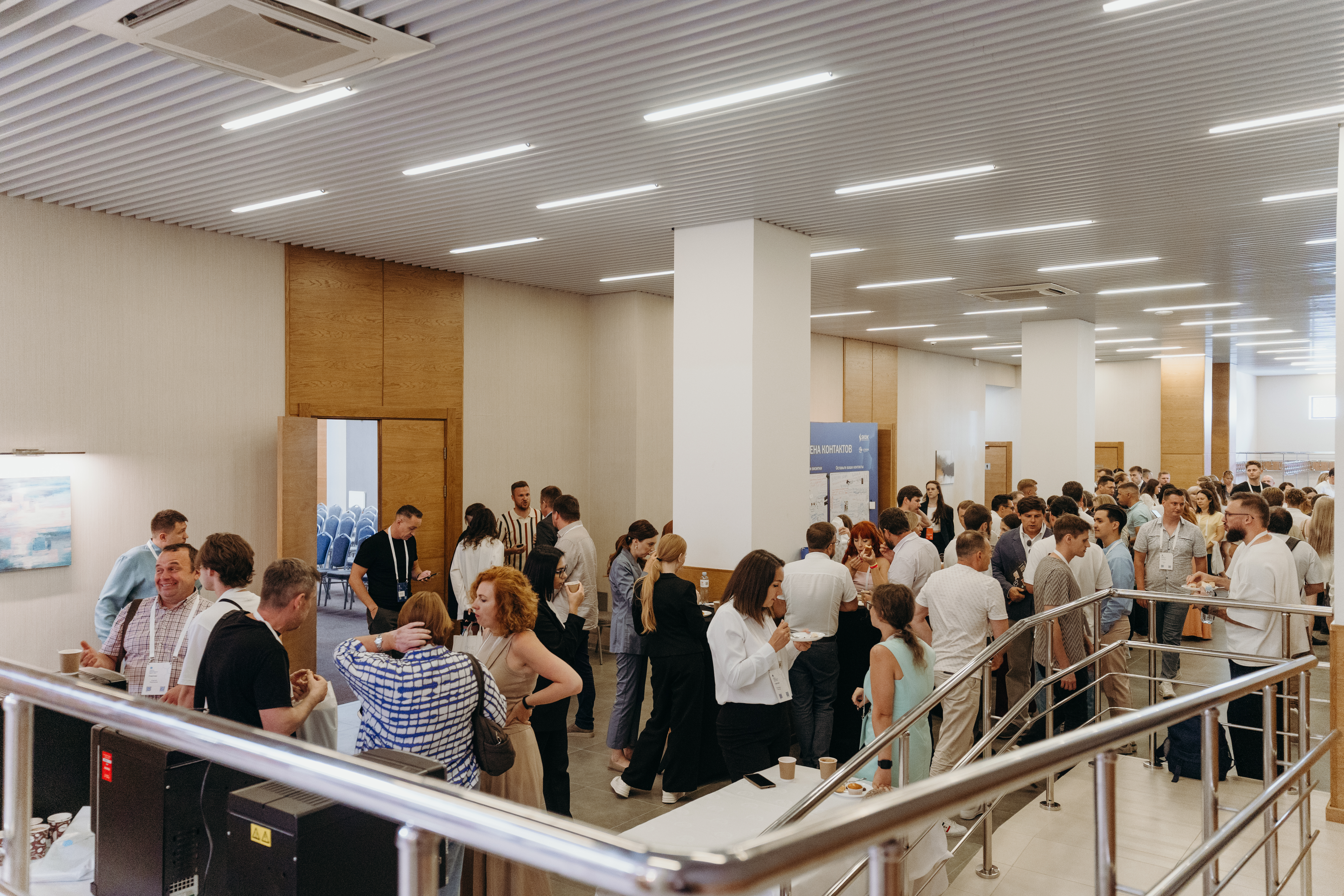
Photo: Press Service of the Business Forum “Development. Urban Improvement. Tourism — 2025”