
Agglomerations and Clusters: “CENTER” Experts on Challenges and Prospects for Territorial Development in Russia
Today, Russia has around 50 agglomerations, ranging from the largest—Moscow, St. Petersburg, Samara-Tolyatti, Yekaterinburg, and Rostov—to much smaller ones. The goal of the roundtable discussion “Agglomerations and Clusters: Effective Models for Territorial Development” was to explore the formation of clusters and agglomerations and assess the advantages and disadvantages of agglomeration-based development in Russia. The event was part of the program of the International Forum on Sustainable Urban Development held in Moscow.
In the emerging technological paradigm, cities are growing and becoming increasingly complex units. They are developing multifunctional environments, creative industries, high-performance and high-tech enterprises, knowledge-intensive industries, and service-based economies.
“Rapid urbanization is driving the growth of major cities. People are moving from rural areas and smaller towns to agglomerations and their satellite towns. Nearly half of the gross regional product is generated within agglomerations. However, behind the growth of large cities lies the outflow of population from other regions that form the spatial framework of the country, leading to a compression of the country’s overall space. The population of regions distant from agglomerations is declining sharply, which, given the overall demographic decrease, poses a serious challenge for Russia,” noted Vladislav Nikolaev, head of the analytical group at the “CENTER” Agency and participant in the discussion.
As an example, Nikolaev highlighted the regions of Karelia, Kaluga, Novgorod, Pskov, and Ryazan, which already require comprehensive measures to prevent population outflow. He summarized: “Russia is a vast territory, and in this new era, every person is valuable. It is necessary to think strategically about developing the country’s shared space and ensure sustainable growth across all its regions.”
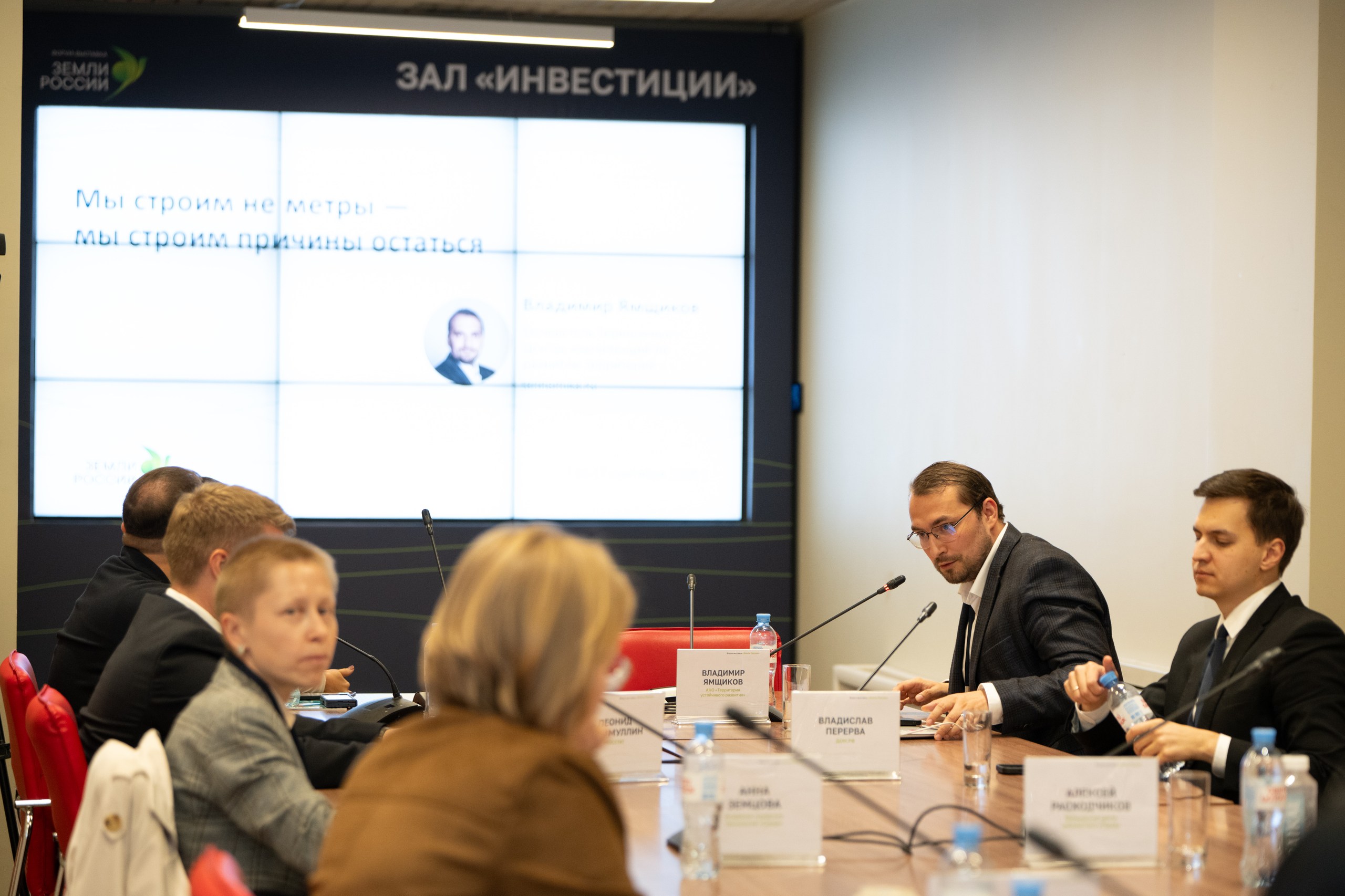
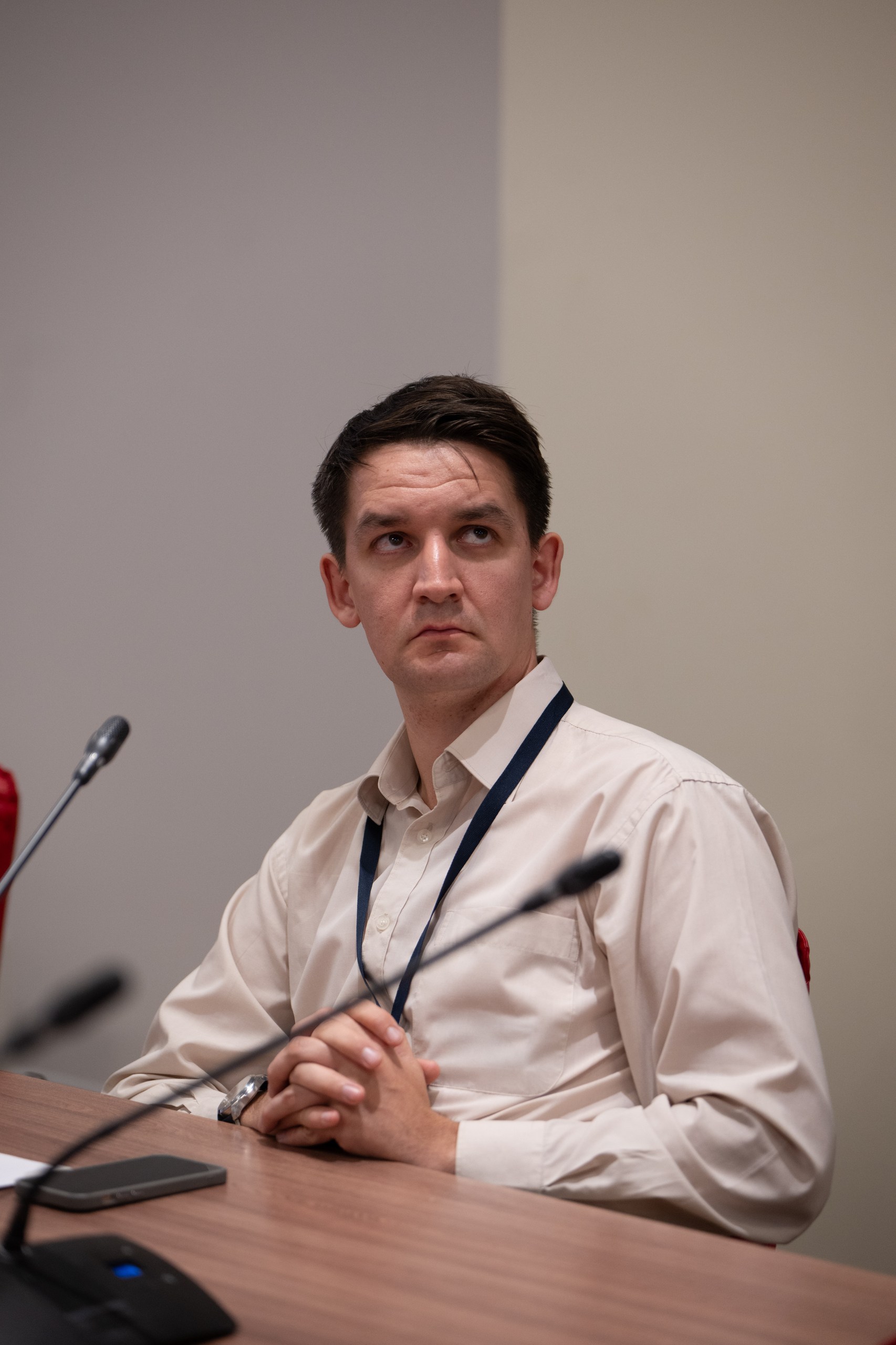
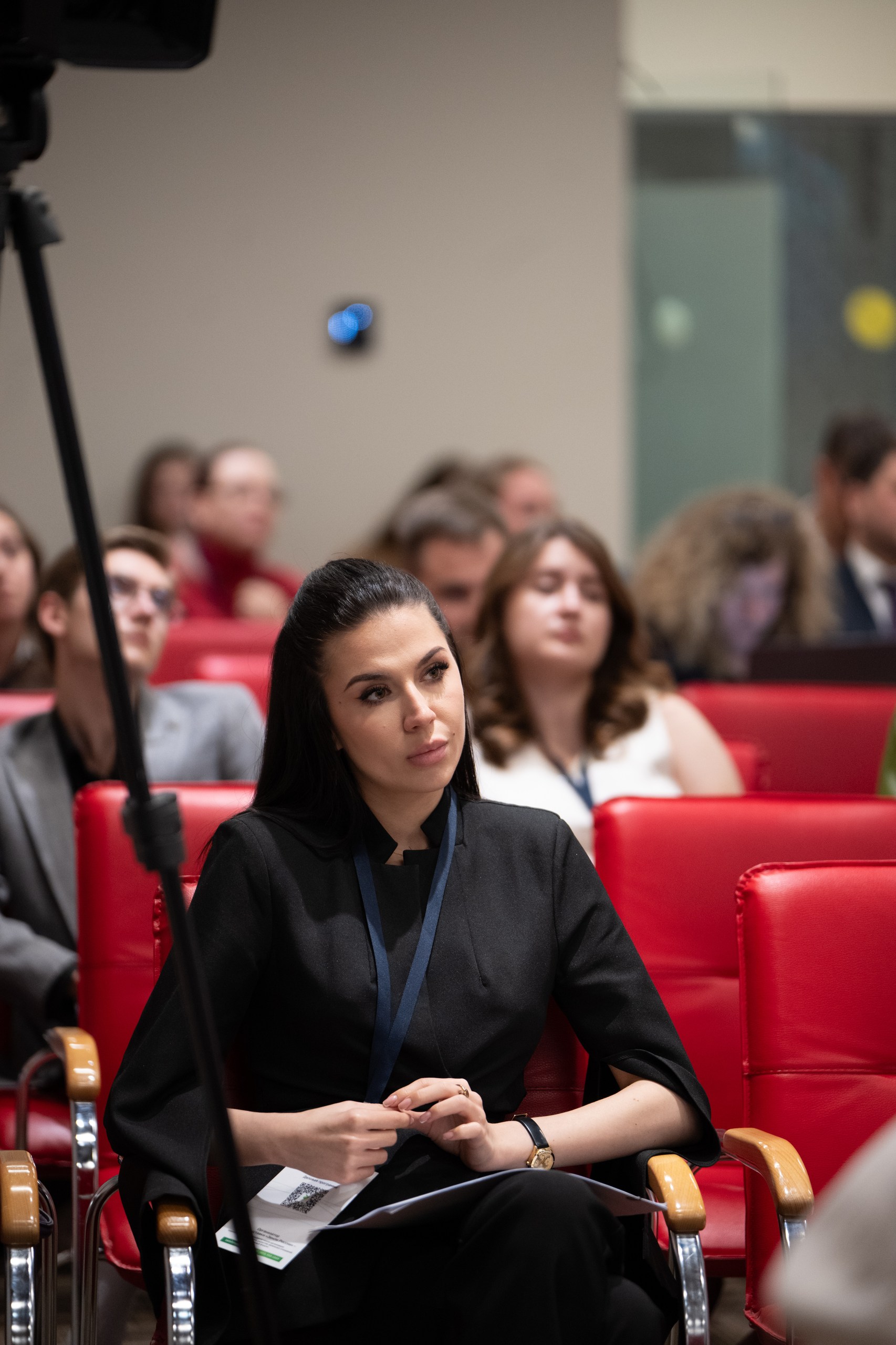
Photo: Press Service of the Forum on Sustainable Urban Development