
In the spirit of Glazychev’s legacy: experts, staff, and students of the Presidential Academy take part in the renewal of the campus
On 16 October, a roundtable discussion dedicated to the development of the central campus was held at the Presidential Academy. Participants shared their vision for the transformation of the scientific and educational complex in the south-west of Moscow. The event brought together prominent urban planners and architects, as well as students of the Moscow Architectural Institute and the Academy itself.
Yaroslav Semyonov, Vice-Rector of the Presidential Academy, emphasised the importance of preserving historical continuity in the process of creating a comfortable environment for those who study and work at the university.
Yaroslav SemyonovVice-Rector of the Presidential Academy
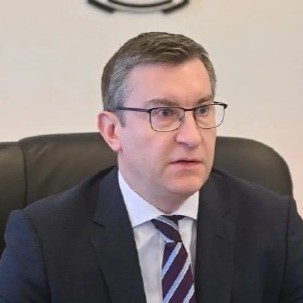
I would like to draw attention to several aspects mentioned by Rector Alexei Gennadievich Komissarov. We are thinking about the future, but we do not forget the past — it is important to take from it everything that is best. First and foremost, we focus on those for whom the campus is a place of permanent or temporary presence: our students in degree and continuing education programmes, our faculty, and our staff.
Vice-Rector Vladislav Myakota highlighted the role played by campus “users” in its transformation.
Vladislav MyakotaVice-Rector of the Presidential Academy
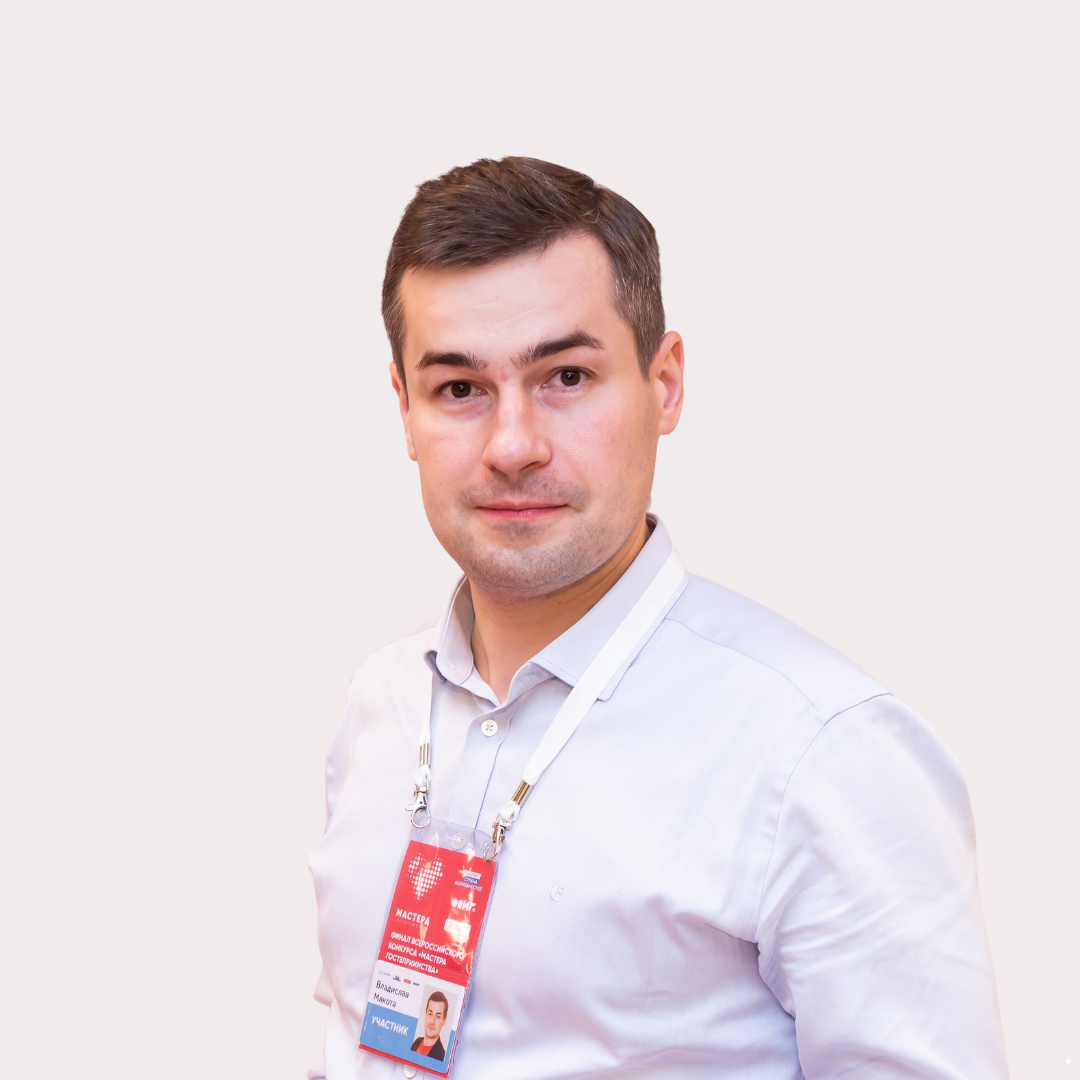
We would like to see a landmark library known throughout the country, a Museum of Public Service, and a square that will become an embellishment of the campus. We have received feedback, wishes, and ideas. For example, students proposed an interesting concept for organising a central square on the site of the sports grounds. Once the physical education and wellness complex is implemented, these facilities can be relocated. In Building Six, there is an atrium on the third and fourth floors. According to the design, this space is intended for youth policy management and a student office. It is possible that the ‘heart’ of the campus — its dominant feature — will emerge there.
Maria Sinichich, Director of the Department for Integrated Territorial Development of the Ministry of Construction, Housing and Utilities of the Russian Federation, emphasised the importance of the economic efficiency of the solutions to be applied in the campus modernisation process, including through the attraction of private investment and extra-budgetary funding sources.
Evgeniya Murinets, member of the Expert Council under the Ministry of Construction of Russia, addressed the issue of developing spatial connections between the Academy and the surrounding urban fabric.
Andrey Bokov, Vice-President of the International Academy of Architecture, in his remarks on the principles of campus functioning, cited examples such as Princeton University, Harvard University, and Columbia University.
The event also featured presentations by Yuliya Vedenina, Lead Analyst at the Agency for strategic development "CENTER"; Denis Romodin, architectural historian; Pavel Andreev, Honoured Architect of Russia; Vladimir Kuzmin, Head of the Project Studio of the Department of Territorial Development of the Presidential Academy; Elena Kotova, lecturer at the Moscow Architectural Institute; and Elena Vereshchagina, specialist in urban communications.
As emphasised by the representative of the company organising the roundtable, Sergei Georgievskii, Co-founder, Agency for strategic development "CENTER"
Sergei GeorgievskiiCo-founder Agency for strategic development "CENTER"
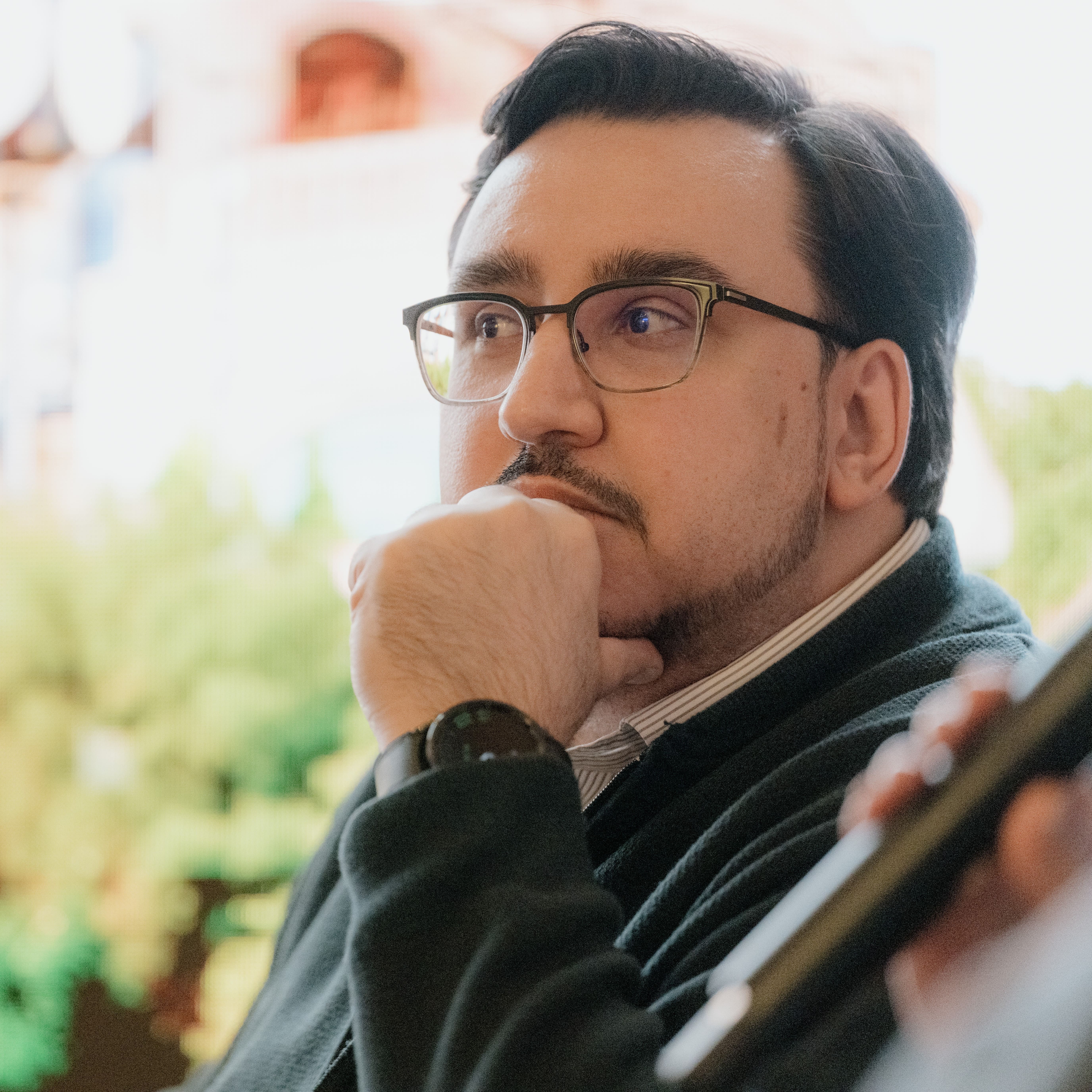
The Department of Territorial Development of the Presidential Academy is named after Vyacheslav Glazychev — an urbanist who was among the first to advocate the importance of participatory design, whereby those who will ultimately use a territory are directly involved in defining its future prospects. Guided by this principle, we have gathered a wide range of opinions on the future of the campus. These insights will help ensure its compliance with contemporary standards of educational, research, and residential infrastructure and will undoubtedly prove valuable in the course of the territory’s transformation.
As Rector Alexei Komissarov previously noted, the Academy should become “even more comfortable, modern, and open,” and its campus — “a contemporary and practical space for students, staff, and visitors.” The modernisation process is being carried out as part of a national programme to establish a network of world-class modern university campuses in Russia, involving more than 20 regions.