
The City Is Wildlife. The Importance of Biodiversity in the Urban Environment Discussed During Landscape Architecture Week
An open discussion on the role that species richness plays in contemporary cities formed part of the business programme of the 16th Festival National Award of Russia in Landscape Architecture and Garden and Park Art. International practices in nature conservation were presented by the special guest of the event — Maria Ignatieva, Professor at the University of Western Australia and President of URBIO, a global scientific organisation promoting the values of biodiversity.
“Restoring local biodiversity is a major challenge, especially in non-European countries where ecosystems are disappearing very rapidly. This is why contemporary design increasingly takes local biodiversity into account, as well as the possibility of using spaces not only for people, but for other living beings too. Recently, for example, we created a ‘bee hotel’ using timber found on site. A separate field is developing — biodiversity-sensitive urban design — which is applied to campuses and residential districts. A remarkable example is the Lizard Garden in one of Zurich’s neighbourhoods, where special habitats were created for animals. At the same time, it functions as a walking route for people and helps preserve a rare species. One of my favourite examples is the campus of Lincoln University in New Zealand, where I taught for many years. Right opposite the rector’s house, structures were installed that are inhabited by local giant grasshoppers, as large as the palm of a hand,” said Maria Ignatieva.
All of these examples form part of an approach to urban environment design based on nature-based solutions. This approach involves incorporating entire self-sustaining ecosystems into design and prioritising local plant species.
Another trend highlighted by Maria Ignatieva is “rewilding” (go wild) — the use of spontaneous vegetation that naturally emerges in a given area. This approach is applied specifically to preserve natural ecosystems. In Europe, for instance, it is reflected in alternative lawns composed primarily of local meadow plant species and mown far less frequently than conventional lawns — no more than two or three times a year.
“It is not enough simply to preserve nature; we need to rethink our cities and reconsider how we use resources in order to free up more space for nature,” the expert emphasised.
The organiser of the ALAROS Award business programme is the Agency for strategic development "CENTER". Full information about the festival is available at alaros.ru/festival-main.
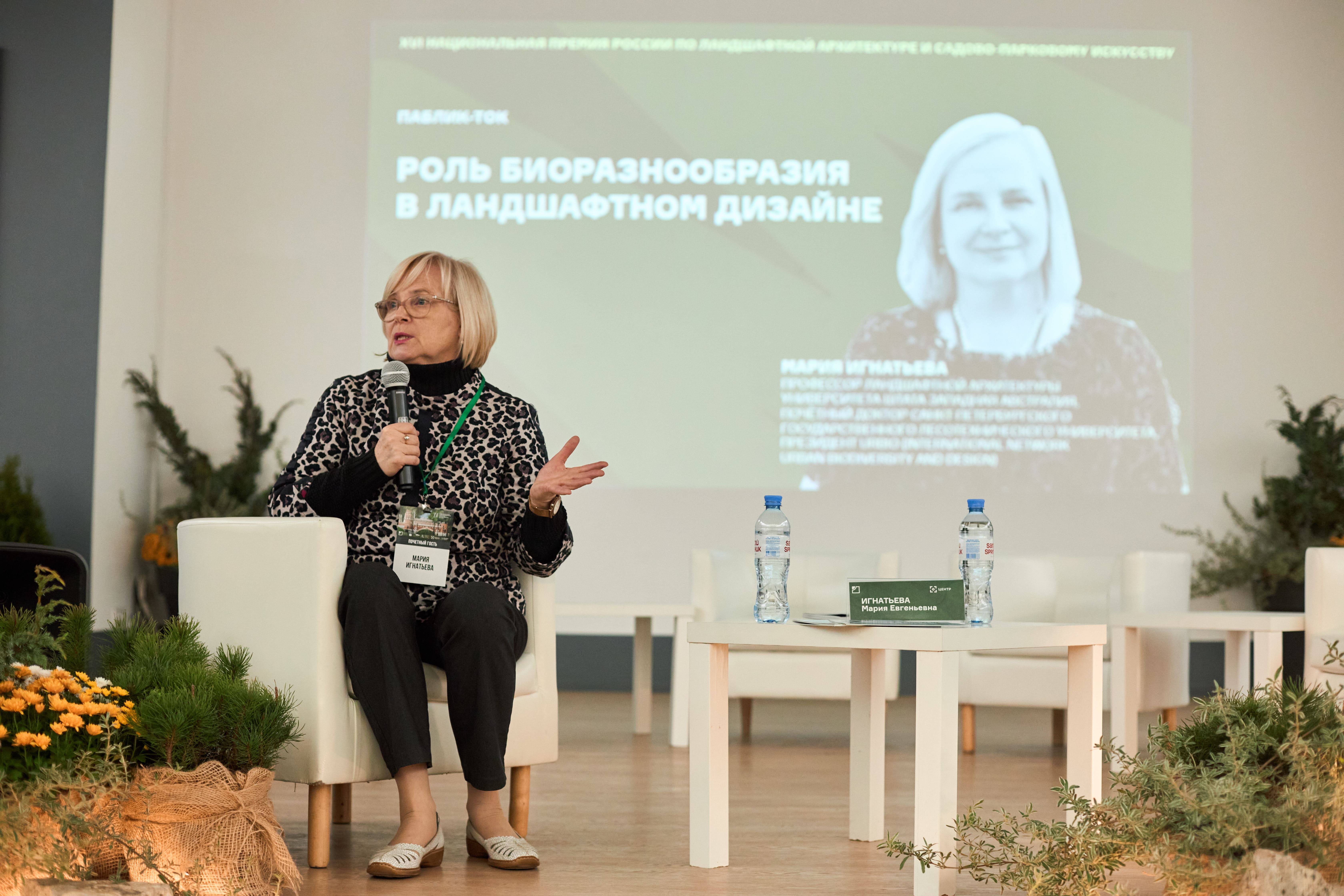
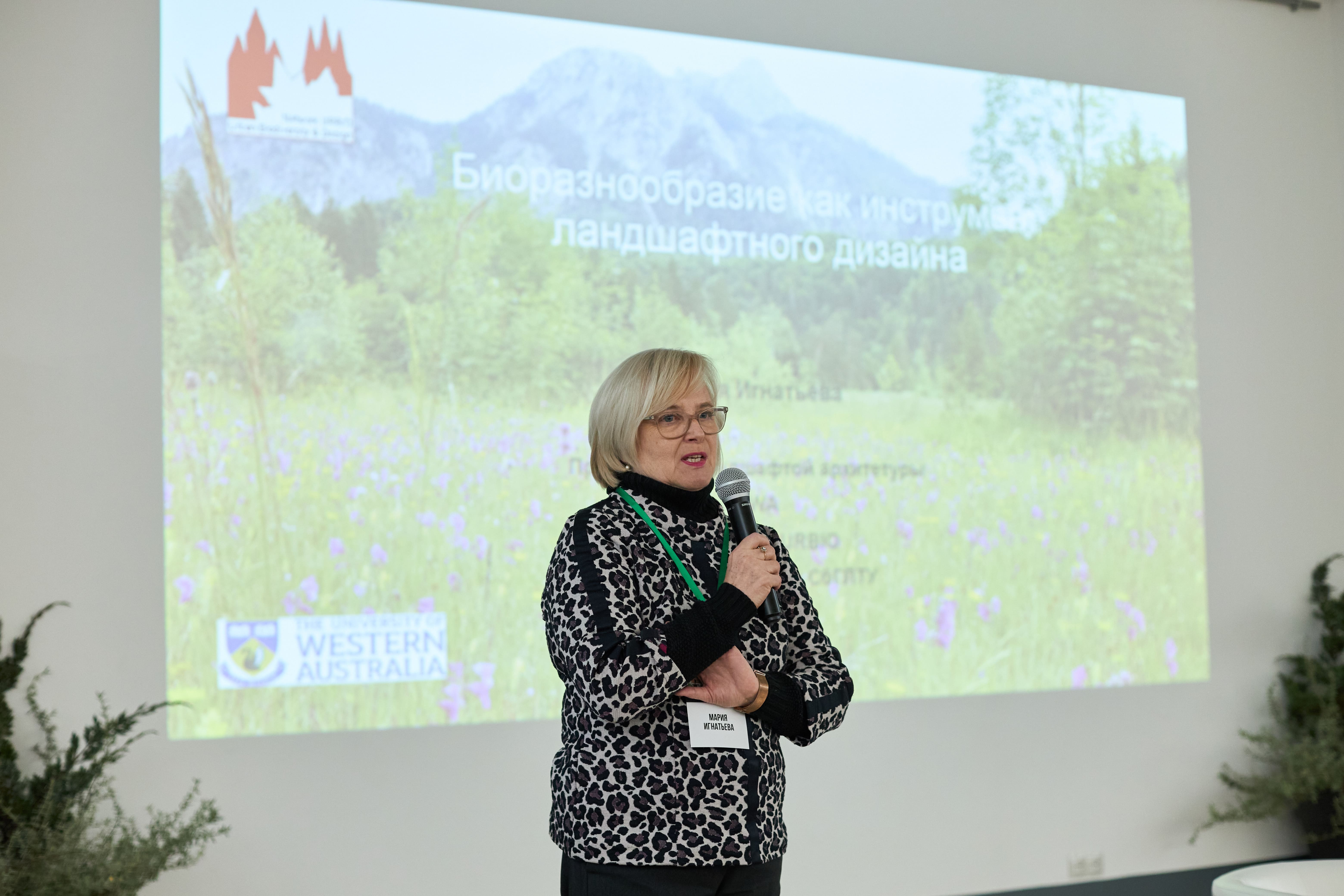
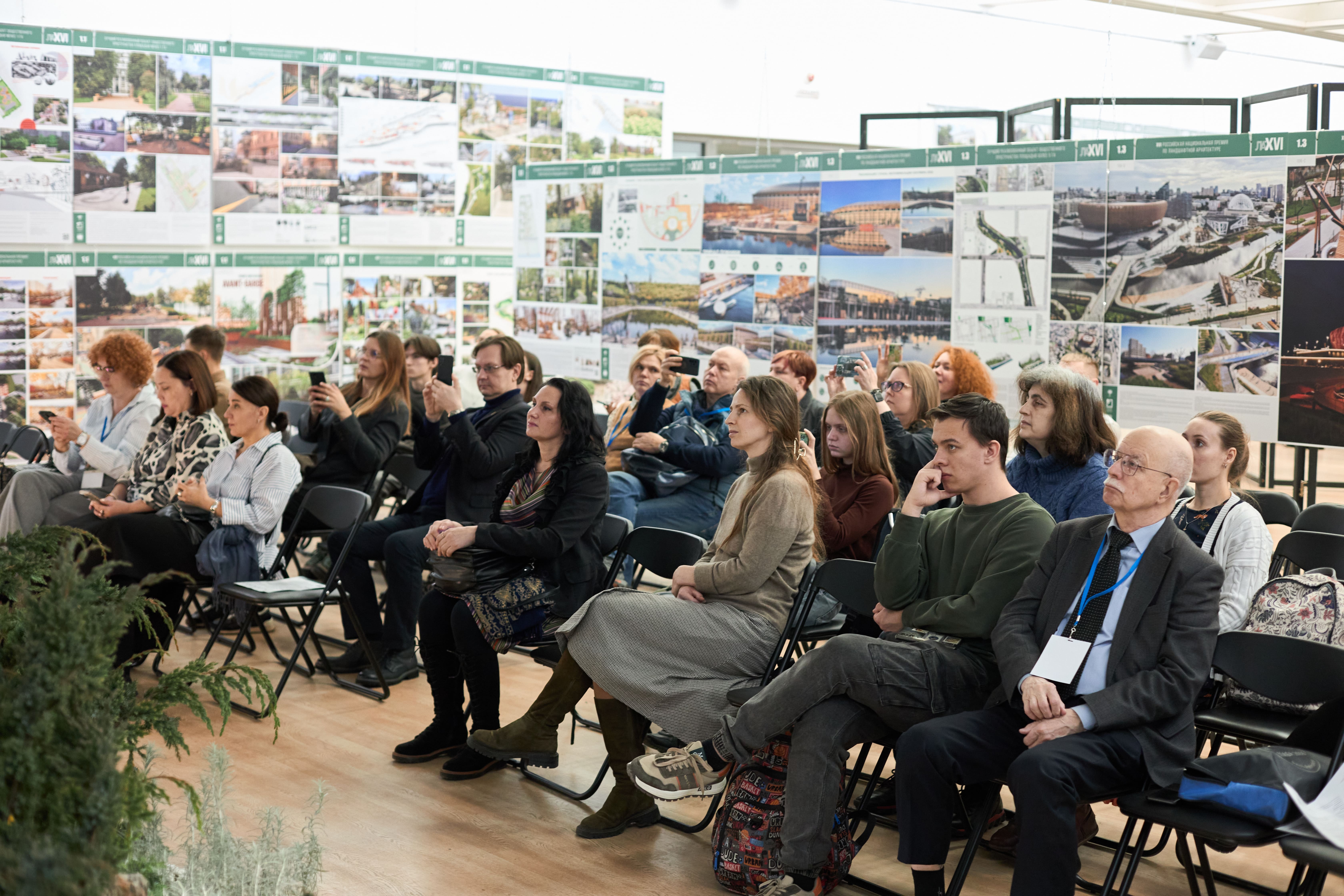
Photo: Nikolai Sokolov