
Ideal City in the Caucasus: Nikolai Timchenko Speaks in Nalchik About the Benefits of Master Planning
CEO of the Agency for Strategic Development “CENTER” Nikolai Timchenko presented the company’s experience in master planning at the urban culture festival “Winter Platform” in Nalchik. The event annually brings together hundreds of guests from across the country and is a significant occasion not only for Kabardino-Balkaria but for the entire North Caucasus.
The top manager of “CENTER” spoke at the discussion titled “Master Plan as a Panacea: For Whom, By Whom, and Why Is It Needed?” Nikolai Timchenko highlighted the Agency’s landmark projects in the region — more than a dozen completed over 11 years. These include the master plans of the Chechen Republic and Argun, as well as international competitions for the development of master plans for Grozny and Derbent. In these cases, “CENTER” acted as the operator and prepared the analytical foundation for participants — comprehensive assessments of territorial development potential.
“Over the past few years, Nalchik has undergone significant changes — new parks, public spaces, and renovated points of attraction have appeared, and the city now hosts federal-scale events. All of this is part of a broader transformation process turning Nalchik into a new-type resort city, comfortable not only for tourists but also for local residents. We are confident that a comprehensive master plan will strengthen this work and make cooperation with potential investors and federal development institutions even more effective,” noted Nikolai Timchenko.
In 2021, Nalchik received a master plan for the development of its resort area. Last year, it was also included in the list of 200 Russian cities for which comprehensive master plans are to be developed by 2030 by order of the President of Russia.
Other speakers at the discussion included CEO of KB Strelka Kristina Ishkhanova and Managing Partner of the architectural consultancy bureau Godekan Isa Magomedov. In total, 30 architects and designers from various regions of Russia participated in this year’s “Winter Platform.” The program focused on leading urban creative practices and the identity of North Caucasus regions within contemporary architectural and cultural contexts.
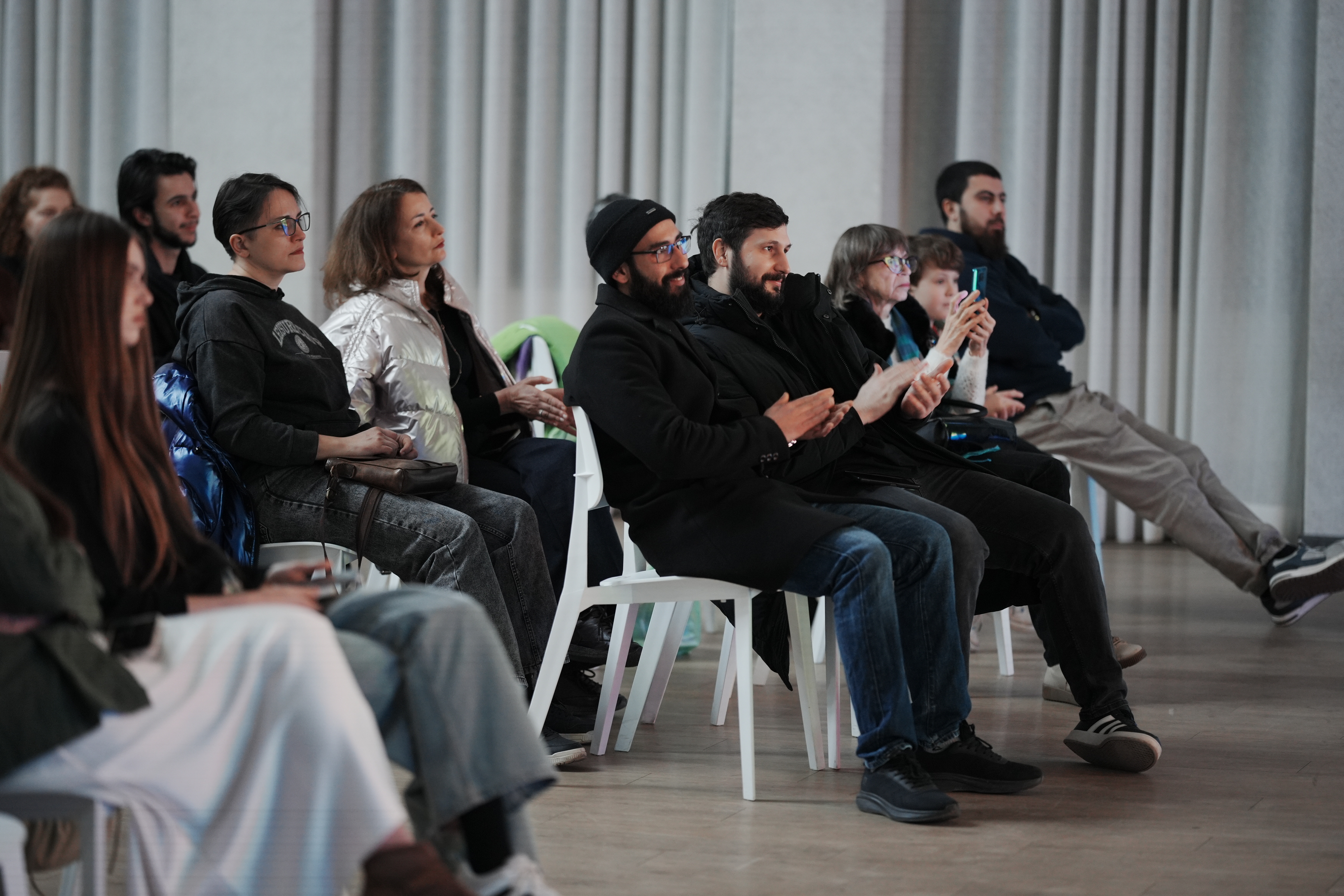
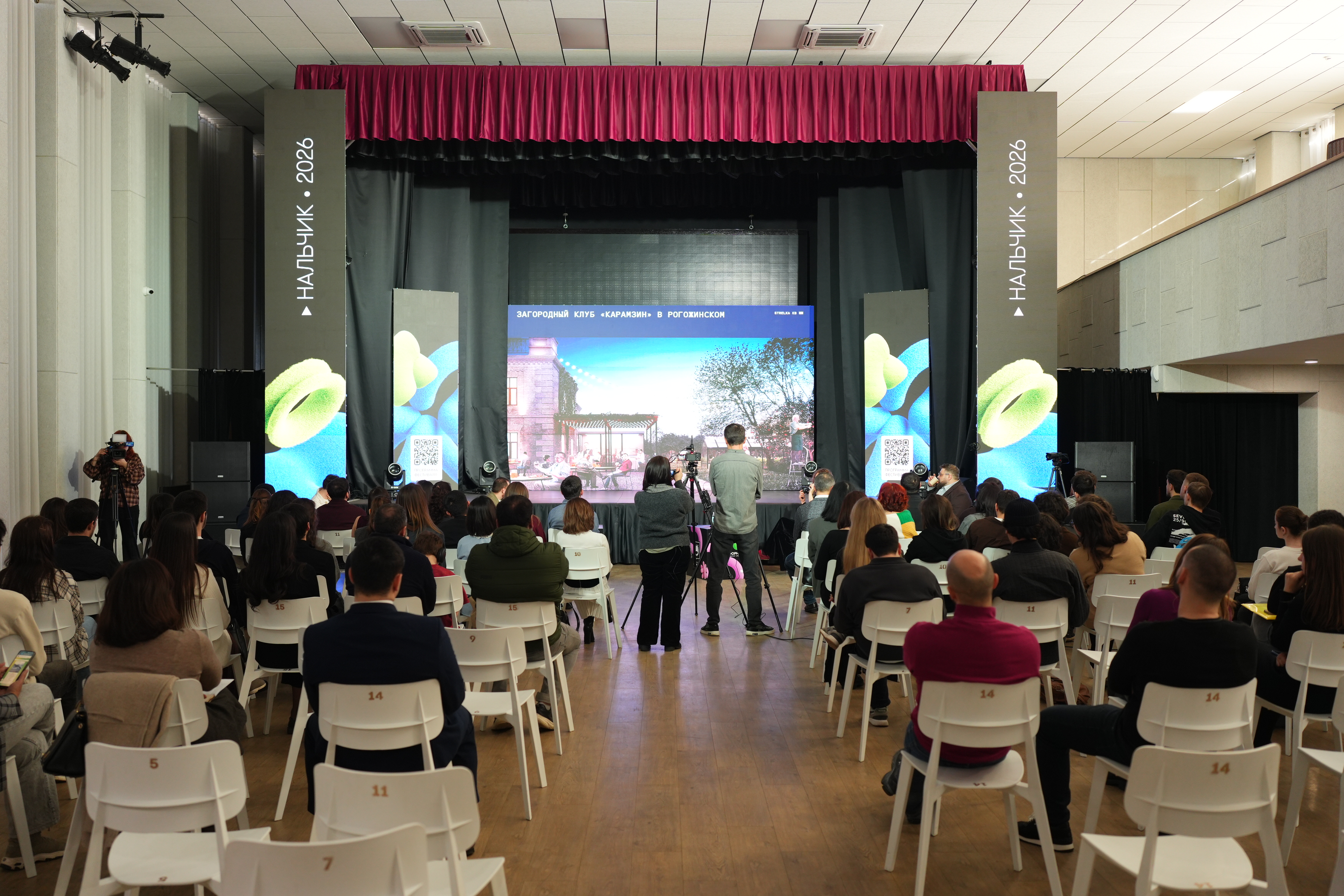
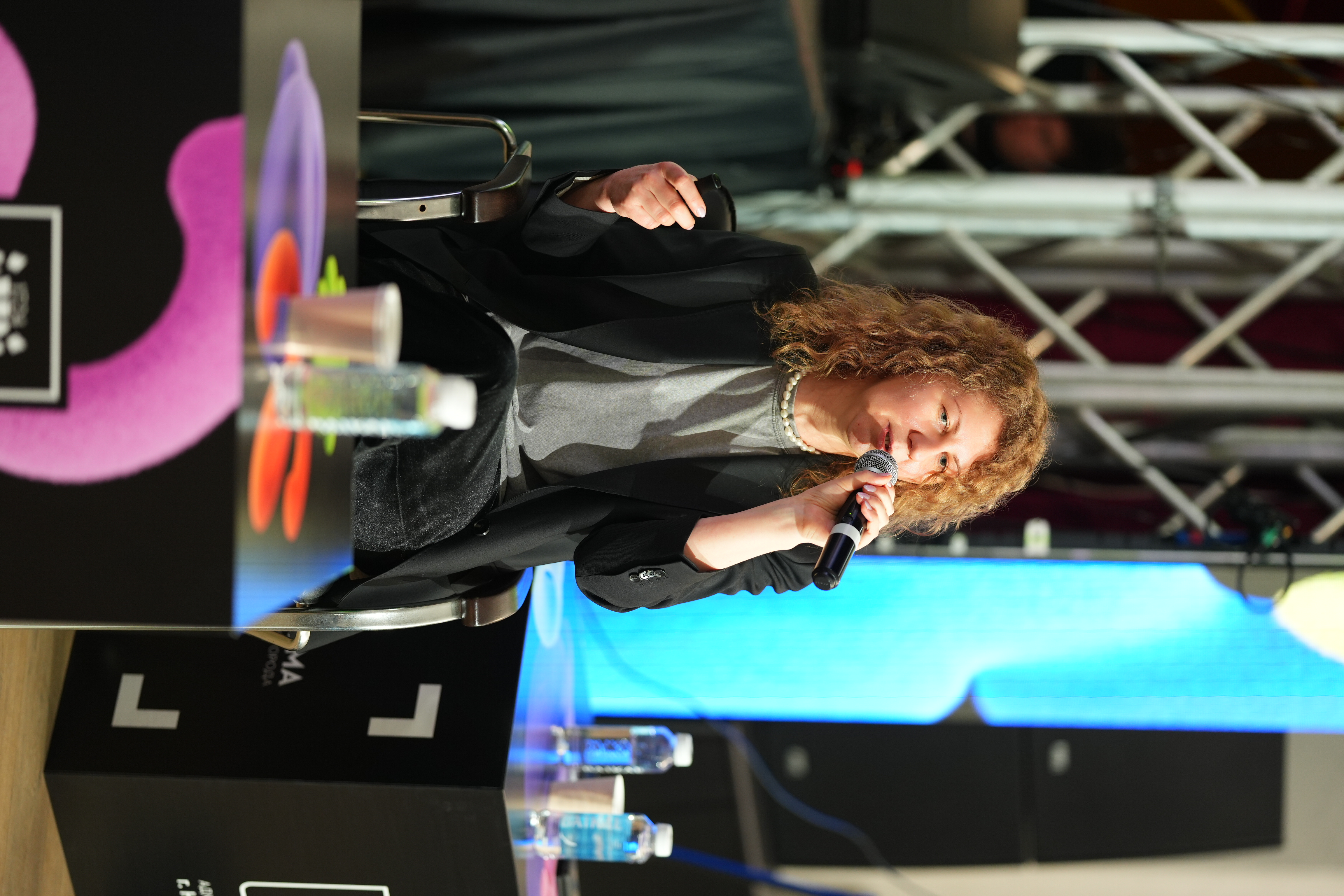
Photo: Vasily Zaruba