My District as It Is: Muscovites Share Their Views on the Mayor’s Programme
Two-thirds of Moscow residents have noticed that their districts have become more comfortable, but many remain dissatisfied with several important aspects of the urban environment, including safety, cleanliness, public realm improvements and aesthetic quality.
These are the findings of a study assessing the effectiveness of projects under the My District programme. The study was conducted by the Agency for strategic development "CENTER" with the support of the Government of Moscow and commissioned by ANO "KRR "My District", the organisation responsible for implementing the eponymous urban development programme.
The research included a survey of 1,000 Moscow residents, field assessments of sites in nine districts and interviews with 20 experts.
Key findings
- 69% of respondents believe that living conditions in their districts have improved over the past three to five years.
- The most visible elements of the programme were the renovation of streets and boulevards (51%), the upgrading of social and cultural institutions (50%) and improvements to parks (47%).
- Residents gave high ratings to everyday infrastructure: local amenities such as pharmacies and shops received 4.2 out of 5, while transport convenience, access to social facilities and the availability of parks were rated 4.1.
At the same time, the study identified several areas requiring improvement:
- 53% consider safety a key factor in comfort, but only 27% feel safe in their district.
- Cleanliness and public realm improvements are important to 61% of respondents, but only 43% are satisfied with them.
- 41% would like to live in a visually attractive district, but only 23% consider their own district to be one.
Main conclusions
The programme has fulfilled its basic objective of physically transforming Moscow’s districts.
Improvements have become part of everyday life: fewer residents now single out parks, courtyards and leisure infrastructure than several years ago.
Everyday leisure is shifting from the city centre to the outskirts. Residents increasingly view their districts as self-sufficient places to live, exercise and spend their free time.
According to the experts, the programme’s potential for further development is linked to urban environment standards and management. Residents want facilities that are not only functional, but also attractive and safe. There is also growing demand for leisure and cultural activities and for the development of a stronger socio-cultural environment.
After parking, cited by 28% of respondents, the main deficits identified by residents were entertainment venues (19%), cultural institutions, cafés and restaurants (17% each).
“The My District programme has successfully completed the stage of infrastructure transformation. Its main task today is to help districts develop their own identity, bring residents together around shared values and create an environment where people want not only to live, but also to spend time, socialise and realise their ideas,” said Sergei Georgievskii, Co-founder, Agency for strategic development "CENTER".
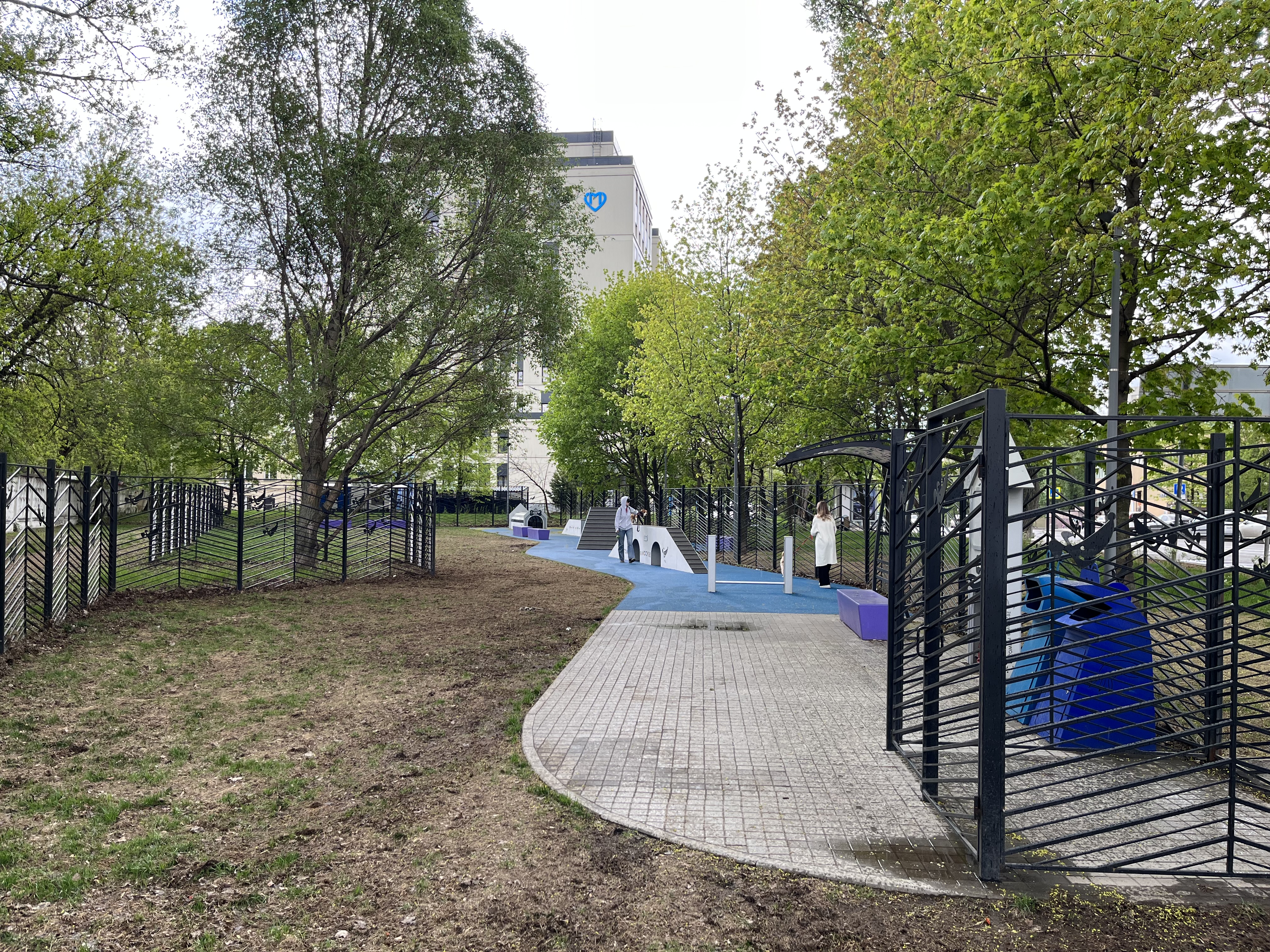
The study also assessed the effectiveness of individual projects under the programme, including Designing the District, Pets in Moscow, District Tours and the About My District children’s competition. Experts developed recommendations for improving each of them, including landscaping spaces for residents’ meetings, separating dog areas by size and creating recreation zones for owners, developing more diverse tour routes and turning the children’s competition results into real urban projects.