
How the History of Coal Mining Became Part of Borodino’s Urban Identity
As part of a joint study with the Potanin Foundation, experts from the CENTER Agency for Strategic Development examined the work of the Borodino City History Museum in Krasnoyarsk Krai. The practice demonstrates how the history of a coal-mining single-industry town can be presented through urban space, industrial artifacts, and the stories of its residents.
Coal became the central metaphor of the exhibition — a material capable of preserving memory. The history of the Irsha-Borodinsky open-pit coal mine is told through the recollections of the town’s first builders and miners, family histories, everyday objects, and the shared experience of building the town in the post-war period.
The museum’s greatest asset is the stories of the people who built the mine and Borodino itself, who continue to work, develop the town, raise families, and achieve success. Through this approach, coal becomes not only an industrial resource but also a symbolic archive of human lives and experiences.
This approach extends beyond the traditional museum exhibition. A museum alley featuring art installations, a landscaped park, and the 40-minute “Ugolgrad” walking route transform the urban environment into an extension of the museum. The history of the enterprise becomes part of residents’ everyday experience and Borodino’s tourism offering.
Among the practice’s key strengths, experts highlighted the involvement of the local community, the museum’s participation in federal and regional cultural projects, and grant support. Further development is linked to integrating the site into regional tourism routes and establishing a systematic approach to industrial tourism.
“The Borodino experience demonstrates that industrial heritage can be represented beyond the walls of a museum. When the history of a town-forming enterprise is revealed through an urban route, public spaces, and the stories of local residents, it becomes part of the identity of the entire town,” said Andrey Vashchuk, Lead Project Analyst at the CENTER Agency for Strategic Development.
The practice was studied as part of the research project “Analysis of Practices for the Capitalization and Representation of Industrial Heritage,” conducted by the CENTER Agency at the initiative of the Potanin Foundation. The project will result in a catalogue of 100 sites, with ten practices to be analyzed in detail by experts. The study will be completed by the end of 2026.
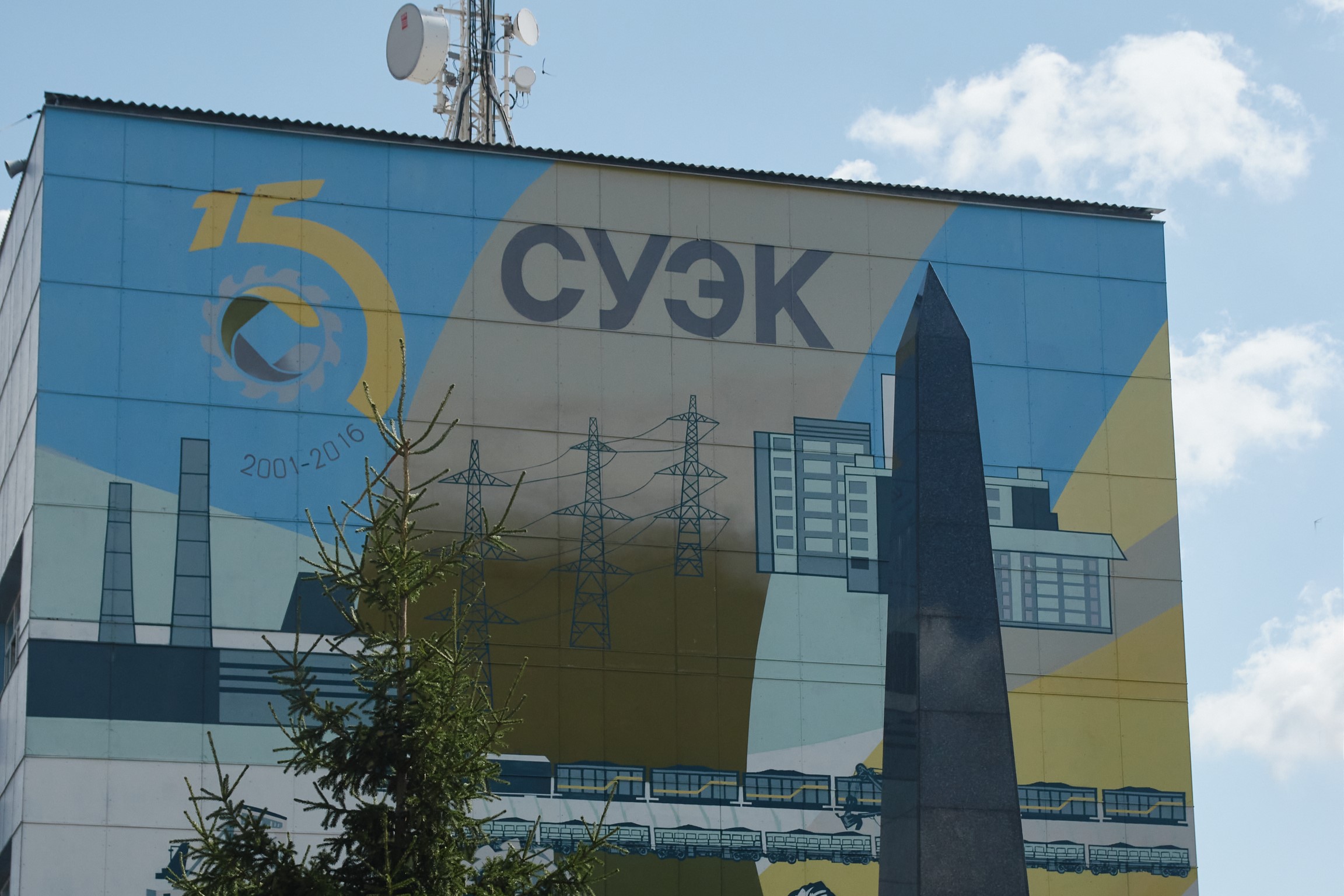
Photo: N. Dorovskikh