
How Selprom Tower Became a Driver of Development for Chyorny Otrog
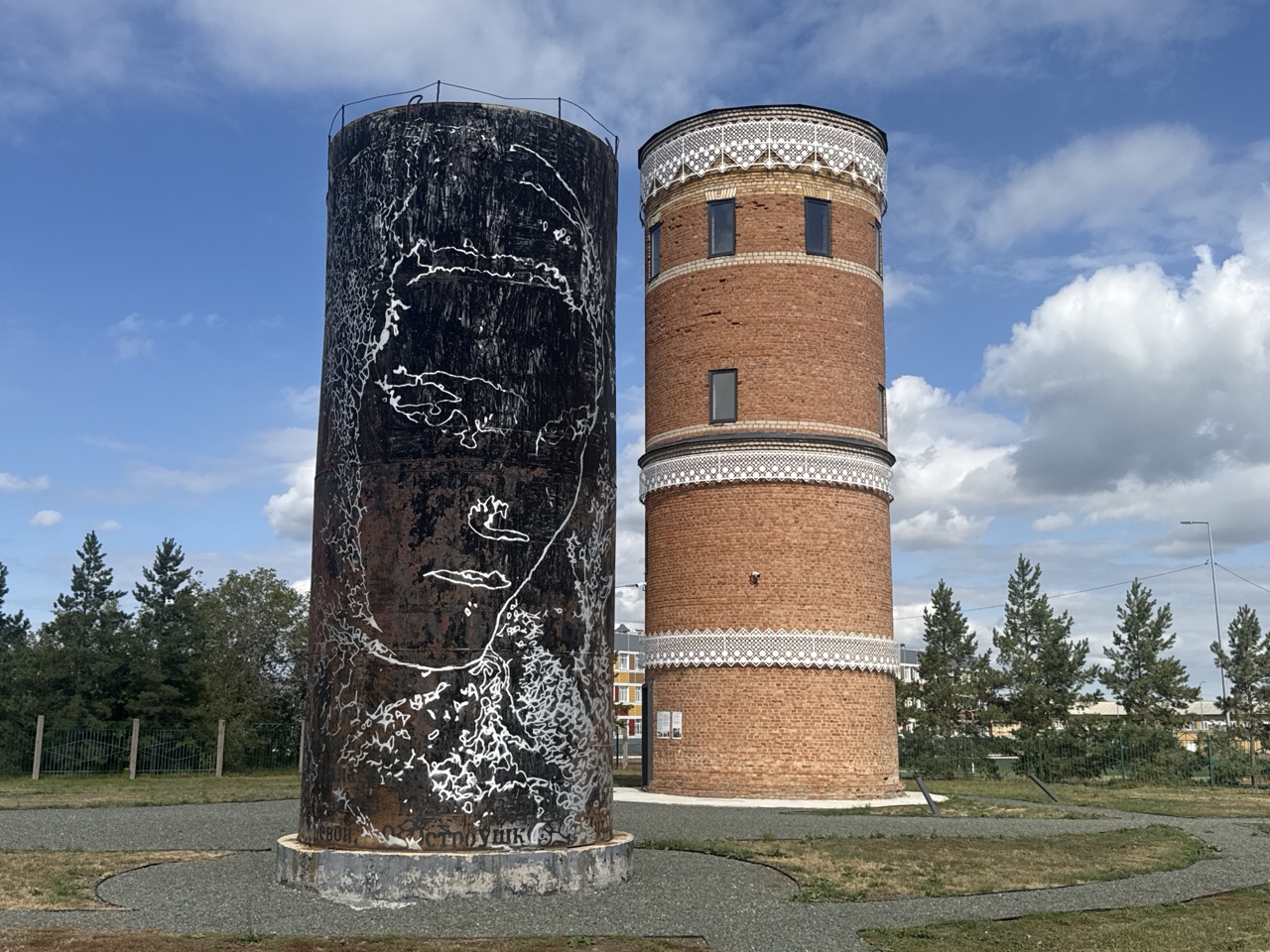
Specialists from Agency for strategic development "CENTER" studied the museum interpretation of the traditional down-knitting industry in the village of Chyorny Otrog, Orenburg Region. A former water tower has been given a new function and transformed into a local landmark capable of supporting the development of the wider area.
The tower was built between 1967 and 1969. In 2024, the Chernomyrdin Museum opened an exhibition space inside it. The exhibition explores the history of the Chyorny Otrog down-knitting artel, which operated from 1927 to 1993, as well as its system of home-based production and the personal stories of local craftswomen.
“Sometimes it is worth taking a fresh look at what is nearby - at an object that appears old and unappealing. With a little attention, care and investment, it can become something capable of revitalising an entire area, as happened with Selprom Tower,” said Viktoria Kandybina, Head of Development at the Chernomyrdin Museum and curator of the Selprom Tower project.
The image of the Orenburg down shawl unites the tower’s architectural design, public art and interior exhibition. This approach turns a regional symbol into a means of interpreting local history and gives the site a recognisable cultural identity.
Selprom Tower is now included in three tourist routes, while Chyorny Otrog receives more than 3,000 visitors annually. The area around the tower is used for village celebrations and festivals. Future plans include public realm improvements and the creation of a concert venue.
The Chyorny Otrog case shows how even a small industrial structure can become a starting point for rural development. Its impact is supported by a strong connection to regional identity, integration into tourist routes and the involvement of an established cultural institution.
“Selprom Tower demonstrates that territorial transformation does not always require a large or architecturally distinctive industrial complex. What matters is how an object differs from its surroundings: in this case, an otherwise ordinary tower stands out in the landscape and acts as a gateway to the village. The structure is carefully presented through external interventions inspired by the area’s industrial identity. As a result, even a modest structure can support the development of the wider area by attracting residents and visitors, sustaining cultural activity and strengthening the identity of the place,” said Andrey Vashchuk, Lead Project Analyst at Agency for strategic development "CENTER".
The case was studied as part of the research project Analysis of Practices for the Capitalisation and Representation of Industrial Heritage, conducted by Agency for strategic development "CENTER" at the initiative of the Vladimir Potanin Foundation. The research will be completed at the end of 2026.
Agency for strategic development "CENTER"