
Stabilizing Growth: Solutions to Systemic Challenges Proposed for the Makhachkala Agglomeration
A preliminary scenario for the spatial development of the Makhachkala agglomeration has been presented in Dagestan. The document, prepared at the request of the authorities of the republic’s capital, outlines principles for addressing the challenges the territory has faced as a result of uncontrolled growth. Among the proposed measures are restricting housing construction that is not supported by adequate infrastructure, organizing parking systems, and placing greater emphasis on the development of Makhachkala’s suburbs.
The presentation took place during a strategic session with specialists from the municipalities of the agglomeration — Makhachkala, Kaspiysk, and the Karabudakhkent and Kumtorkala districts. According to Deputy Head of the republic’s capital Timur Galbatsov, Makhachkala will make every effort to ensure the successful completion of this work. Meanwhile, well-known Dagestani architect and urban development expert Nezir Guseinov noted that the preliminary scenario serves as the foundation for a comprehensive assessment of the agglomeration’s development potential — a study that will later form the basis of its master plan. The research will outline priority measures for the development of the territory, which in the master plan will be translated into investment projects and specific actions.
“The study covers all aspects of life in the agglomeration — from the urban environment and environmental conditions to transport and the economy. We have already identified the main challenges, including spontaneous growth, shortages in social and engineering infrastructure, and transport connectivity issues, and have proposed a spatial development model for the agglomeration,” explained Sergei Georgievskii, Co-founder of the Agency for Strategic Development “CENTER,” which is preparing the comprehensive assessment.
Among the approaches proposed in the document is the creation of new growth centers — in Kaspiysk, in Makhachkala (the “Azure Coast” project), and in suburbs such as Krasnoarmeyskoye, Shamkhal, Semender, and Leninkent. In addition, the regional capital and Kaspiysk are expected to allow multi-apartment residential construction only within the framework of integrated territorial development that includes the necessary infrastructure facilities. A parking policy is also proposed in these cities to improve the transport situation.
In total, the preliminary spatial development scenario includes about twenty such principles. These include limiting the height of new construction in the central parts of cities, creating public spaces, and developing multifunctional facilities. During the strategic session, local experts contributed their own proposals on various aspects, which will be incorporated into the future study and master plan.
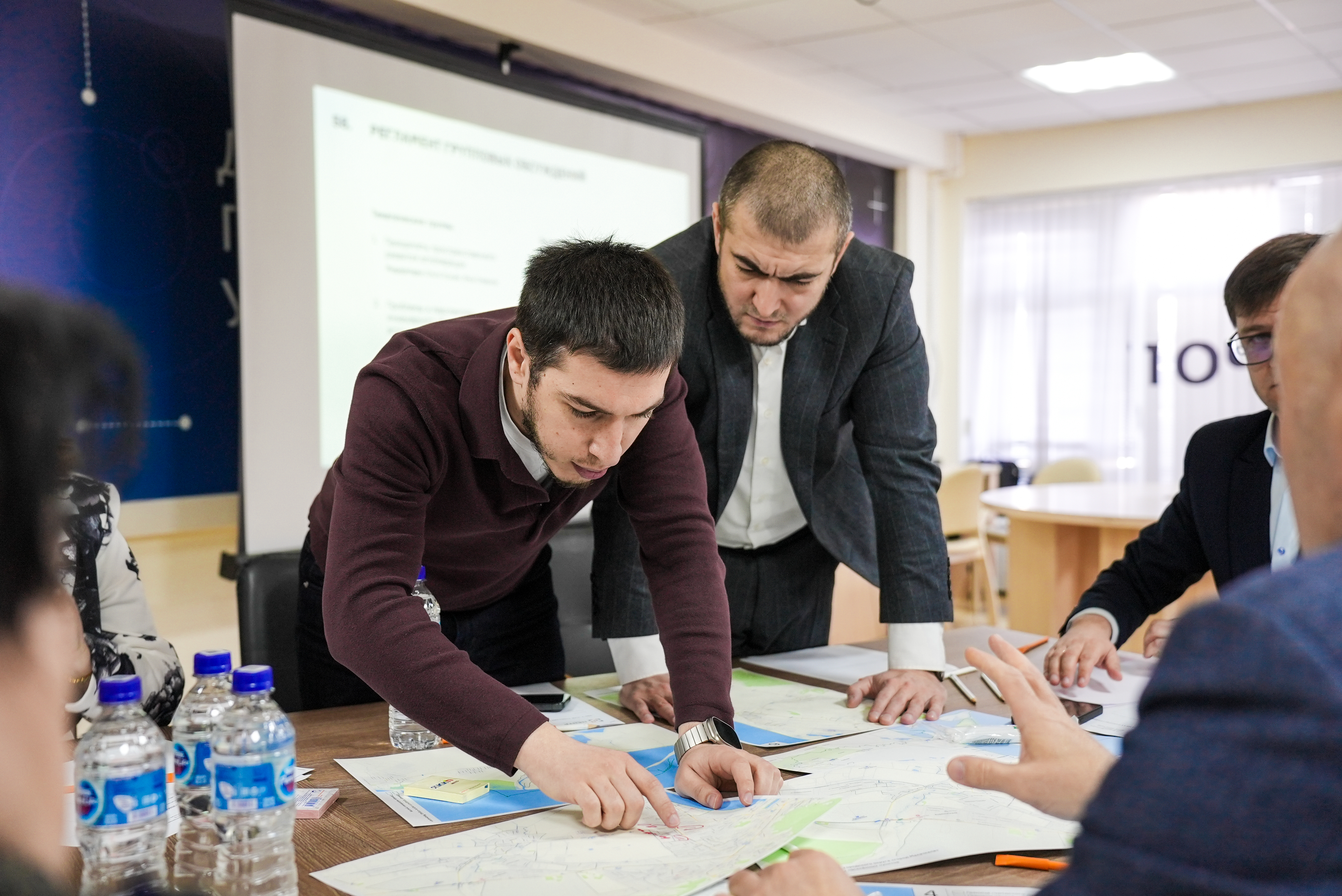
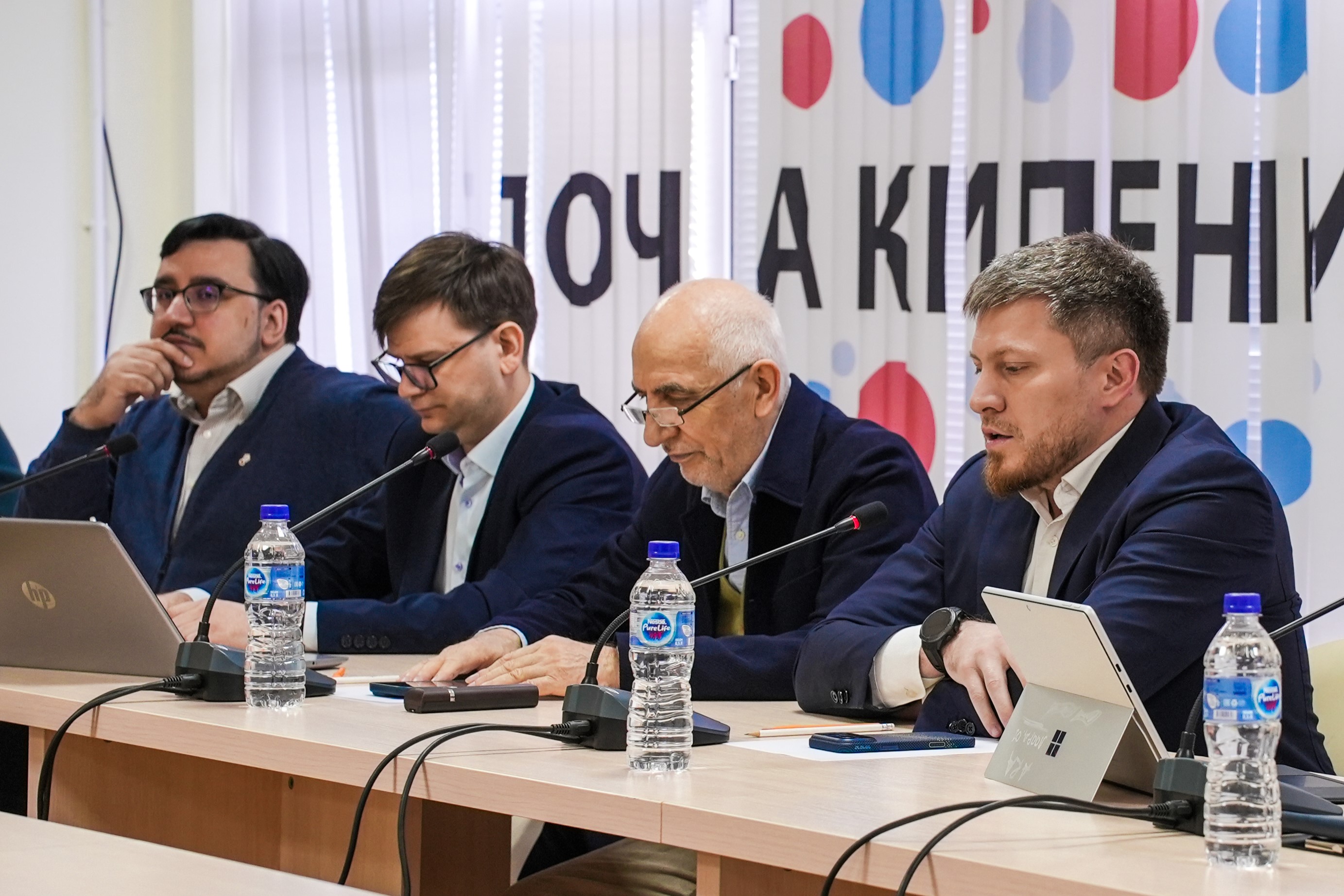
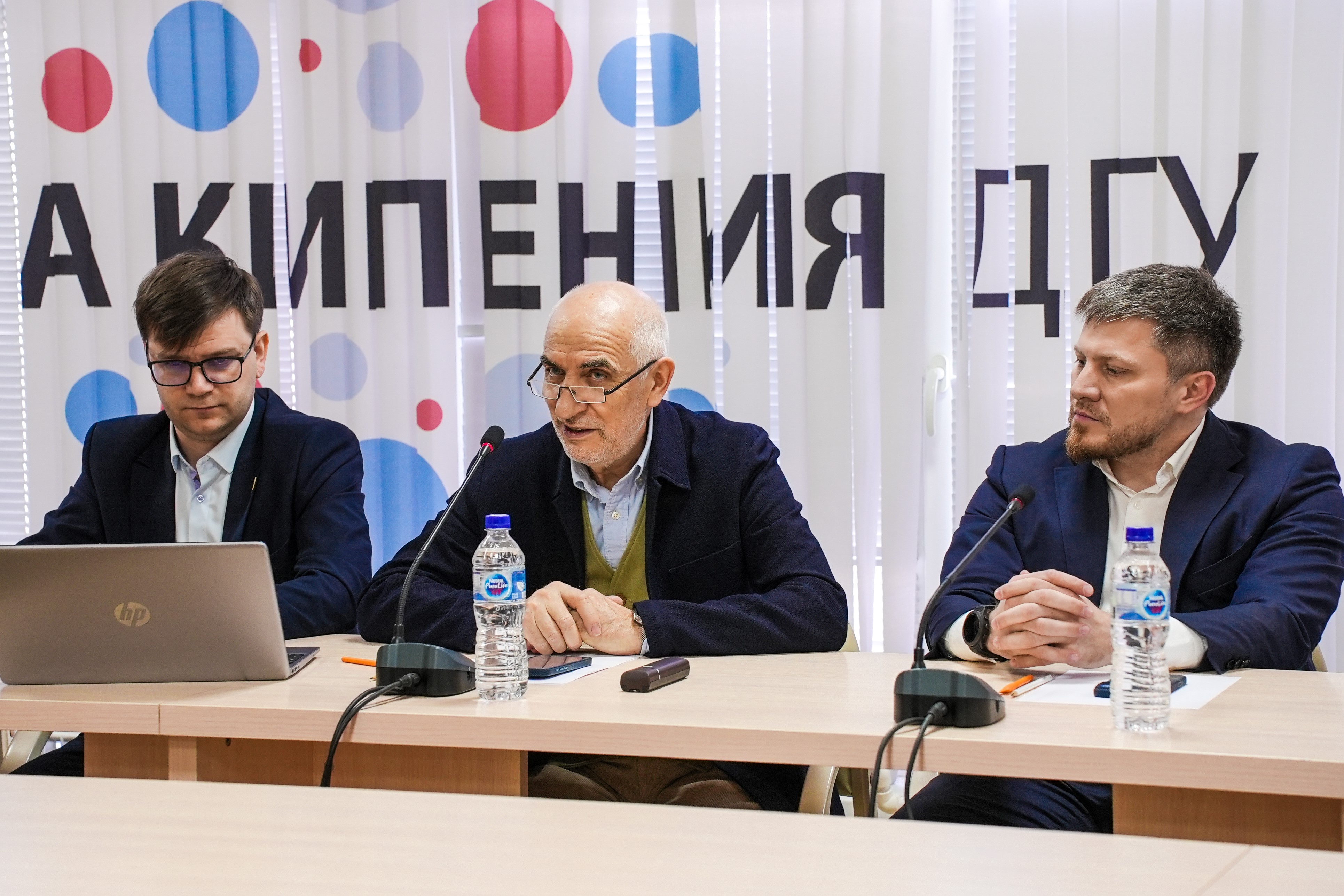
Photo: Arslan Rasulov