From Urban Renewal to Flood Prevention - Hundreds of Development Initiatives Proposed for the Makhachkala Agglomeration
The ARCH-IDEA forum in the capital of Dagestan hosted the presentation of the study “Comprehensive Assessment of the Development Potential of the Makhachkala Agglomeration,” initiated by Mayor Dzhambulat Salavov. To support balanced regional growth amid significant infrastructure deficits, the study proposes a spatial development scenario incorporating nearly 300 projects and initiatives. These cover virtually every aspect of urban development — from transport systems and building regulations to engineering infrastructure and natural territories.
The research, commissioned by Makhachkala’s Department of Architecture and Urban Planning and conducted by the Agency for strategic development "CENTER", is intended to serve as the foundation for the future master plan of the agglomeration. The document analyzes the region’s risks and opportunities, defines principles and directions for future growth, and outlines projects aimed at modernizing infrastructure and improving the living environment.
The proposed vision for the agglomeration is based on decentralization and the creation of new development centers in satellite territories such as Tyube, Bogatyrevka, and Shamkhal. This approach is intended to relieve pressure on the urban core and reduce the strain on existing infrastructure. Key planning principles include the provision of social infrastructure, height restrictions within historic areas, the creation of a continuous system of open public spaces, and the removal of visually disruptive development. The implementation of major integrated territorial development projects — including Azure Coast, Hippodrome, and Makhachkala-1 — is identified as a critical growth driver.
According to Olga Gritsan, Project Curator and Head of Analytics at the Agency for strategic development "CENTER", the agglomeration, with a combined population exceeding one million residents, possesses significant development potential capable of transforming Makhachkala into a major interregional center of the Caspian region and the North Caucasus. She noted that this potential is reinforced by the territory’s advantageous coastal and transport-geographical position, as well as its unique socio-cultural capital. To strengthen its metropolitan and interregional role, the city requires a comprehensive spatial reset. The proposed scenario introduces differentiated urban policy approaches across stabilization, reorganization, and active growth zones, each supported by a dedicated set of measures.
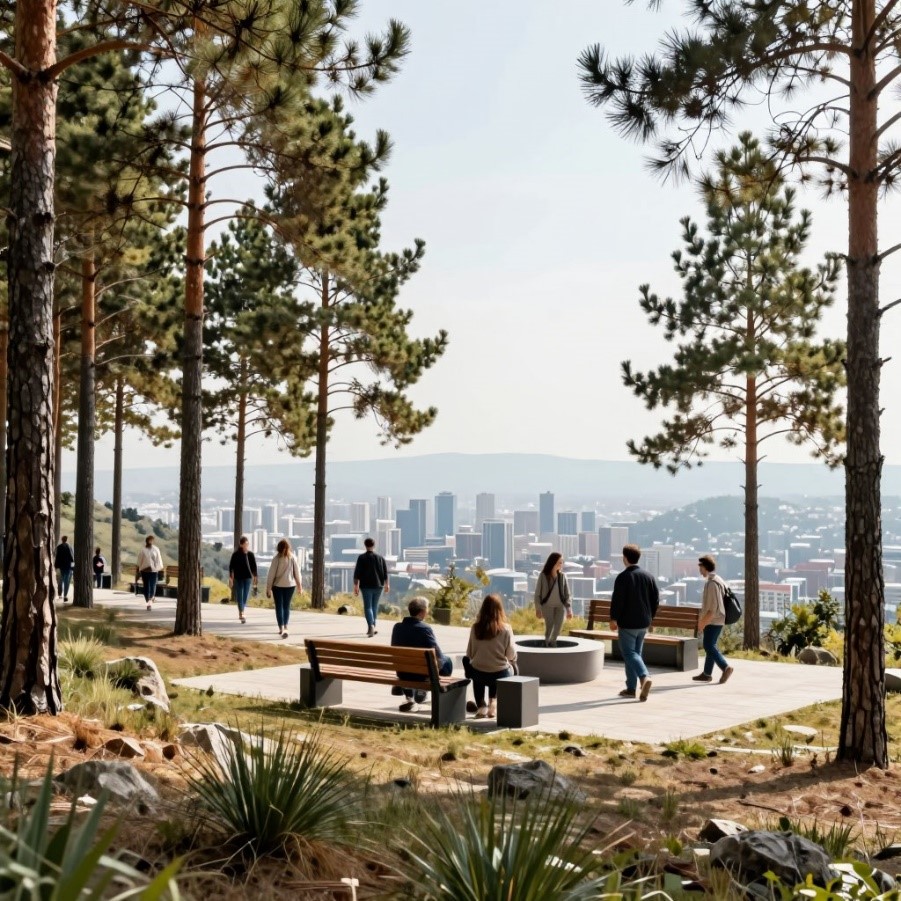
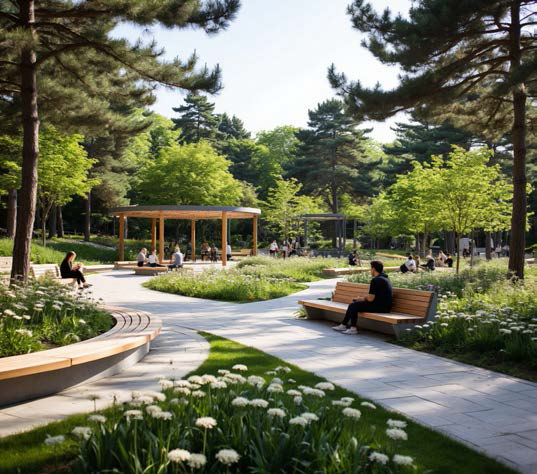
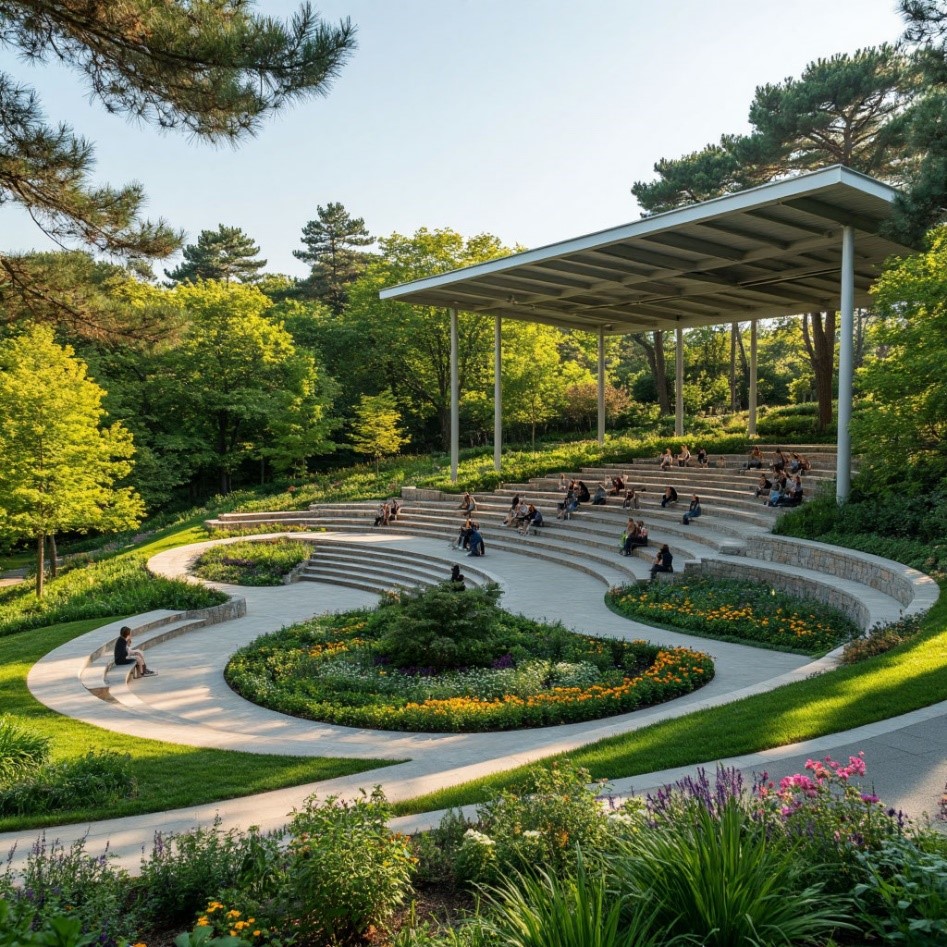
The largest number of proposed initiatives — 146 in total — relates to public realm improvement and urban renewal. This reflects both relatively moderate implementation costs and the potential for rapid visible impact. Makhachkala accounts for 96 of these projects.
Among the proposals are the reconstruction of the square surrounding the railway station to create a more comfortable public environment and the creation of a “festival quarter” in the city center — a revitalized urban space designed to showcase the cultural richness of Dagestan.
Additional projects include integrated territorial development in Kaspiysk, including the 300-hectare Kirpichny district, revitalization of the city center, and the development of a unified embankment concept connecting Kaspiysk and Makhachkala. The study also proposes the creation of public centers in settlements across the Kumtorkalinsky and Karabudakhkentsky districts.
Particular attention is given to unlocking the region’s natural and recreational potential beyond the coastline. For example, the Botanical Garden of Dagestan State University is proposed to be transformed into a multifunctional public cluster while preserving its scientific and environmental functions. In Sulak Bay — an area characterized by unique wind conditions — the study proposes the creation of a sports and recreation complex.
One of the largest environmental initiatives focuses on the revitalization of small rivers through riverbank reinforcement, improved stormwater drainage systems, and landscaping of waterfront territories. The project is expected to significantly reduce flood risks.
In the field of transport infrastructure, the study proposes 34 projects and initiatives, including upgrading major roads to regulatory standards, constructing a maritime passenger terminal, and creating transport interchange hubs to integrate multiple modes of transportation.
Engineering infrastructure is addressed through 18 proposed projects and initiatives. These include modernization of the Makhachkala thermal power plant, development of stormwater drainage systems across major settlements, construction and reconstruction of water treatment facilities, reduction of illegal landfills, and the active introduction of separate waste collection systems.
“Comprehensive assessment has made it possible to clearly identify the key challenges facing the agglomeration and propose solutions to systemic issues — from urban and rural improvement to the protection of natural territories. The implementation of these projects and initiatives will place the entire region on a path of balanced development and create a living environment truly worthy of the capital of Dagestan and its surrounding territories,” concluded Sergei Georgievskii, Co-founder of the Agency for strategic development "CENTER".
At the current research stage, the projects are presented in a general framework and will be further developed in detail as part of the agglomeration master plan.