Исследование «Анализ практик капитализации и репрезентации индустриального наследия»
The study explores current approaches to preserving, adapting, representing and capitalising on industrial heritage sites in Russia. It aims to identify the most effective models for the contemporary use of former industrial areas and production facilities, examine mechanisms for their cultural representation, and assess the tools available to support such initiatives. The study will systematise existing practices and develop recommendations for their wider application in other Russian cities.
Research Objective
To identify, analyse and systematise practices for the capitalisation and representation of industrial heritage and assess opportunities to scale and replicate them across Russian cities.
Scope of the Study
- approaches to adapting industrial heritage sites, including their functional use and socio-cultural programming;
- practices for the cultural representation of industrial heritage;
- initiatives supporting industrial heritage sites;
- mechanisms supporting the cultural representation of industrial heritage.
Objects of Study
Industrial facilities and functionally connected areas, as well as sites originally developed for other purposes that demonstrate effective practices for the capitalisation and representation of industrial heritage.
Key Objectives
- analyse industrial heritage sites and identify practices for their representation and capitalisation;
- conduct a multi-level analysis of existing practices;
- systematise and catalogue mechanisms for the representation and capitalisation of industrial heritage;
- develop recommendations for scaling and replicating the most effective practices.
Oksana OrachevaCEO of the Vladimir Potanin Foundation

Industrial heritage has long been a key focus for the Foundation. We have supported a range of projects in this field and created platforms for professional dialogue on the future of industrial sites. Over time, the experience we accumulated led us to launch a dedicated competition, Industrial Experiment. Over the years, we have explored a wide variety of approaches to preserving and reimagining industrial heritage. This has demonstrated just how diverse a role such heritage can play in contemporary cultural and public life. The next step was the film Culture Manufactory, which brought this broad range of experience together and presented it to a wider audience, as well as the study Industrial Heritage as a Resource for the Development of Culture, Traditions and Social Practices. We now need to take this work further by examining the experience accumulated across the country from a systemic perspective, identifying the most sustainable and effective solutions, and understanding the factors that enable them to succeed. We hope the new study will become a valuable tool for those already working with industrial heritage, as well as those taking their first steps in this field.
The study covers practices involving industrial heritage sites across the Russian Federation. It focuses on former industrial enterprises, production complexes and associated areas that have acquired new functional, cultural or public uses and demonstrate effective models for the capitalisation and representation of industrial heritage.
Research Stages
- preliminary stage and development of the research methodology;
- collection and analysis of existing practices for the capitalisation and representation of industrial heritage;
- examination of mechanisms for adapting and culturally interpreting industrial heritage sites;
- systematisation of the findings and preparation of analytical materials;
- development of recommendations for scaling successful practices.
Olga GritsanHead of Analytics, Agency for strategic development "CENTER"

Successful projects for the representation and capitalisation of industrial heritage are becoming growth drivers for cities, unlocking the socio-cultural potential of their territories through a diverse range of functions. Our task is not only to collect and analyse these practices, but also to identify mechanisms that can be scaled across different Russian cities.
The findings may be used by public authorities, development institutions, the expert community, owners of industrial heritage sites and professionals involved in integrated territorial development projects when preparing programmes for the preservation, adaptation and contemporary use of industrial heritage.
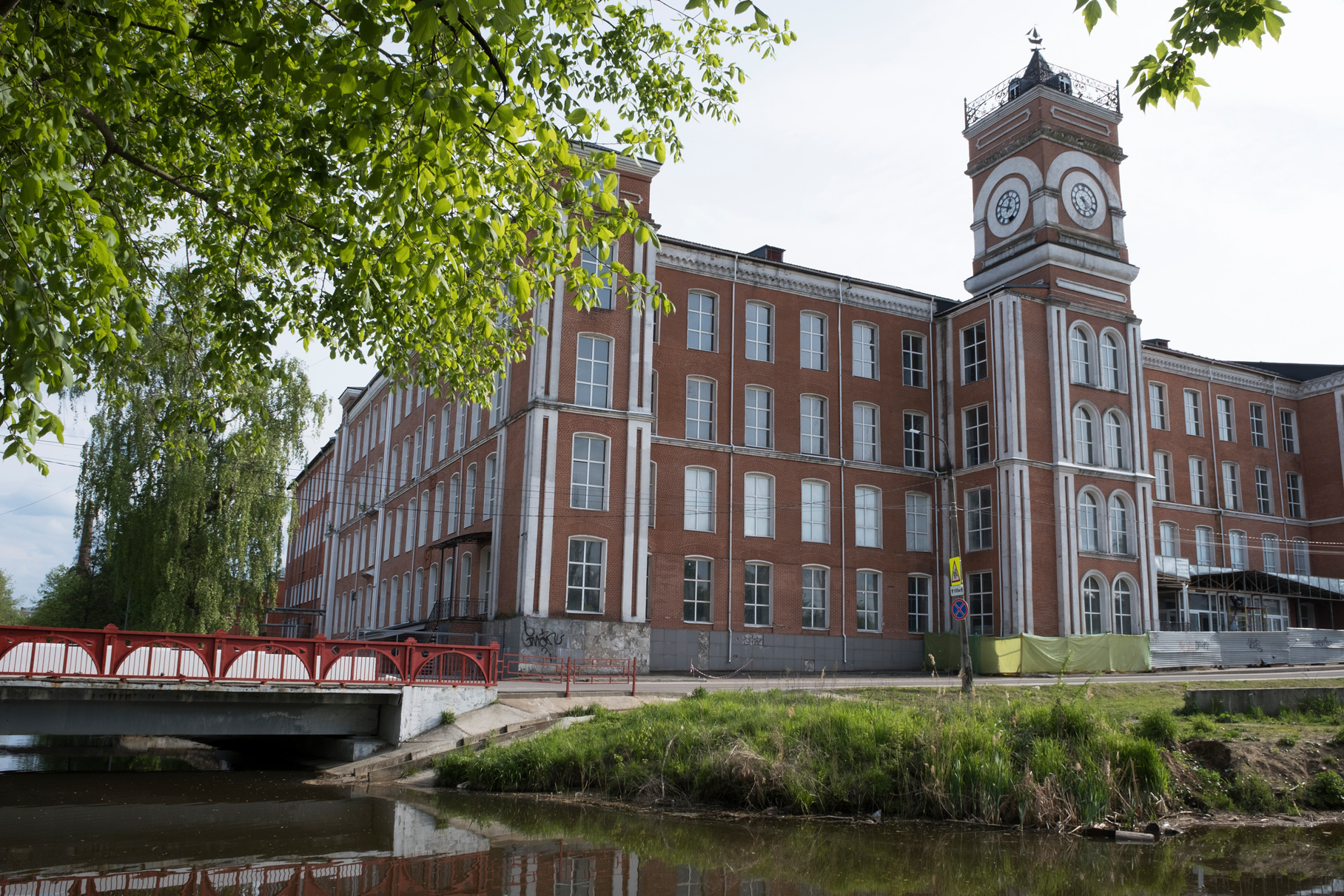
Photo: Elena Smykova / Lori Photobank
Customer:

Исполнитель:

Status of accomplishment:
In progress