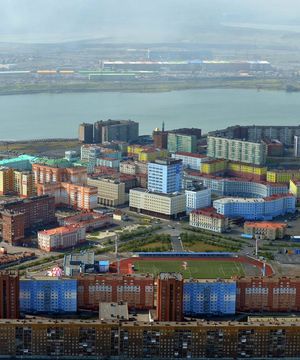
Comprehensive Assessment of the Development Potential of the Makhachkala Agglomeration
The study is aimed at updating the strategic vision for the Makhachkala agglomeration and identifying its key development potential and priority growth directions. Its objective is to support balanced long-term socio-economic and spatial development and to create a framework for the subsequent preparation of a comprehensive master plan.
The research also includes the development of a framework concept for the integrated spatial development of the agglomeration, along with conceptual solutions for priority interventions.
Objectives
- Assess the current conditions and identify key development challenges within the municipalities of the Makhachkala agglomeration
- Determine the long-term potential for sustainable growth and the urban development capacity of the agglomeration
- Develop a preliminary spatial development scenario for the Makhachkala agglomeration
Key tasks
- Improve the quality index of both urban and rural environments
- Identify territories suitable for integrated and sustainable development
- Create a foundation for informed decision-making in spatial and infrastructure development
- Define and justify priority interventions capable of delivering short-term impact — “quick wins”
According to Head of the Republic of Dagestan, the development of the Makhachkala agglomeration through a master plan approach “will, in the long term, bring greater order to land and property relations, urban planning, and architecture; unlock the potential of key viewpoints and attraction centers; and create a continuous network of embankments and public spaces.”
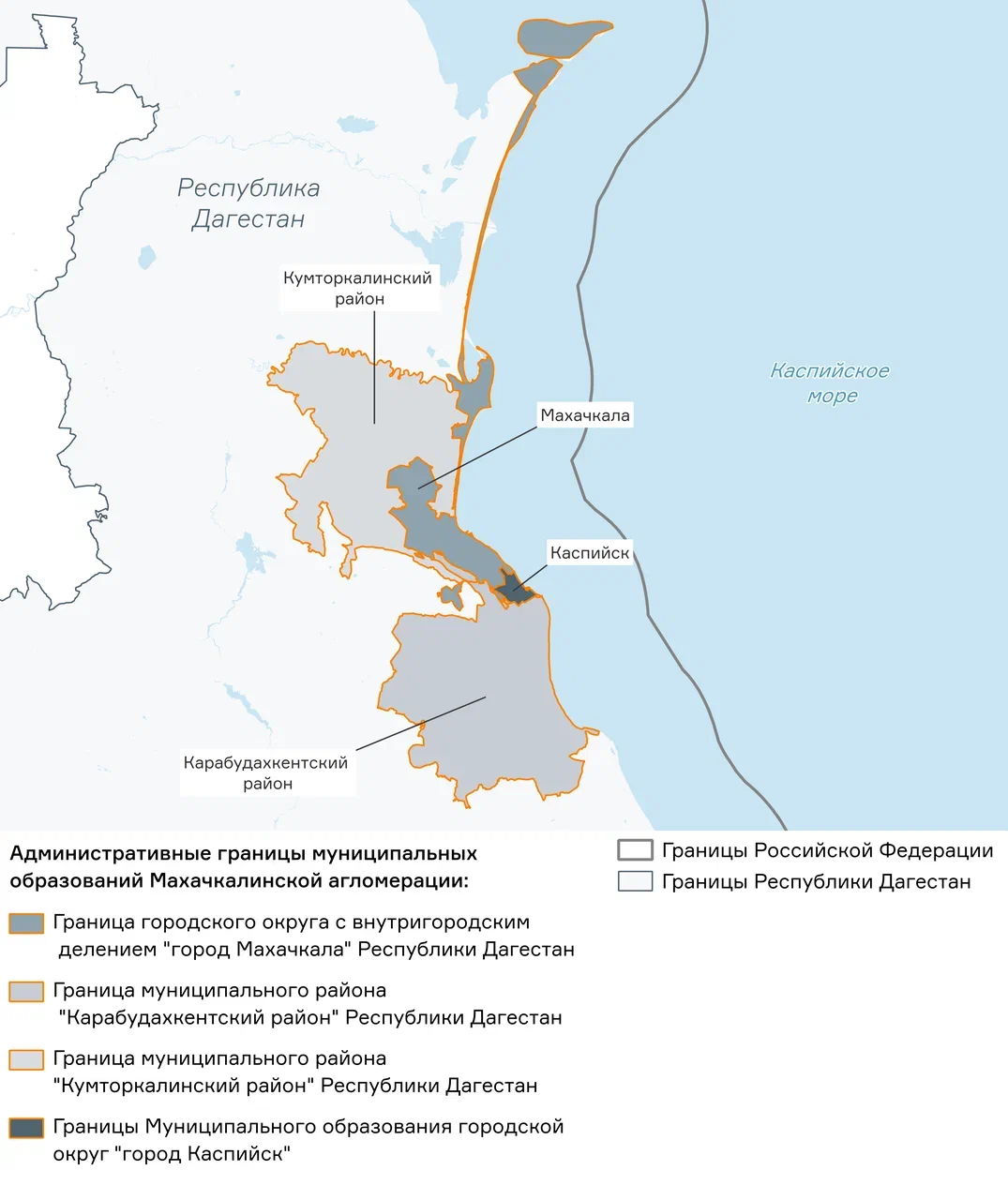
The Makhachkala agglomeration is the largest urbanized territory in the North Caucasus. It includes the cities of Makhachkala and Kaspiysk, as well as the Karabudakhkentsky and Kumtorkalinsky districts. The agglomeration covers approximately 3,181.9 sq km and has a population exceeding one million residents.
Research Phases
The study focused on a comprehensive assessment and identification of key development priorities for municipalities within the Makhachkala agglomeration.
Key stages included:
- Collection and analysis of baseline data
- February 9–12 — on-site field assessment and photographic documentation of the territory
- March 2–6 — strategic session dedicated to discussing the preliminary spatial development scenario for the Makhachkala agglomeration, involving experts, representatives of regional and municipal authorities, and the business community
- Development of a framework concept for the integrated spatial development of the agglomeration
- Preparation of conceptual solutions for priority interventions
- Finalization of the analytical study and coordination with профильные departments of the Makhachkala City Administration
The study is intended to create a framework for systemic decision-making in the management of agglomeration growth and to support the justification for future investment attraction.
The proposals developed as part of the research — including urban framework development, priority growth areas, and systemic improvements to the quality and comfort of the urban environment — will help define the key projects shaping the long-term development trajectory of the agglomeration.
Key findings
The study provides a detailed assessment of current conditions, addressing critical challenges such as the deteriorating state of utility infrastructure, road networks, public spaces, and natural territories. The authors identify a growing risk of outmigration among economically active residents driven by declining quality of life, alongside the threat of an ecological crisis linked to increasing pollution in the Caspian Sea basin.
The proposed solution is a transition toward a new development model focused on the creation of additional urban centers beyond the core of the agglomeration — including Kaspiysk, Makhachkala through the “Azure Coast” project, and surrounding settlements such as Krasnoarmeyskoye, Shamkhal, Semender, and Leninkent.
The approach is based on several core principles:
- Functional diversity across new urban centers
- Integrated territorial planning and land subdivision
- Restrictions on new residential development without parallel delivery of social infrastructure
The study also proposes a range of initiatives aimed at modernizing both urban and rural environments. These include the creation of a “festival quarter” in the capital of the republic — designed to unlock Dagestan’s full cultural and tourism potential — as well as the development of new public spaces within the centers of settlements across the agglomeration.
The research is intended to create a framework for the future master plan of the Makhachkala agglomeration.
Sergei GeorgievskiiCo-founder of the Agency for Strategic Development “CENTER”

The study covers all aspects of life in the agglomeration - from the urban environment and environmental conditions to transport and the economy. We have already identified the main challenges, including spontaneous growth, shortages in social and engineering infrastructure, and transport connectivity issues, and have proposed a spatial development model for the agglomeration.
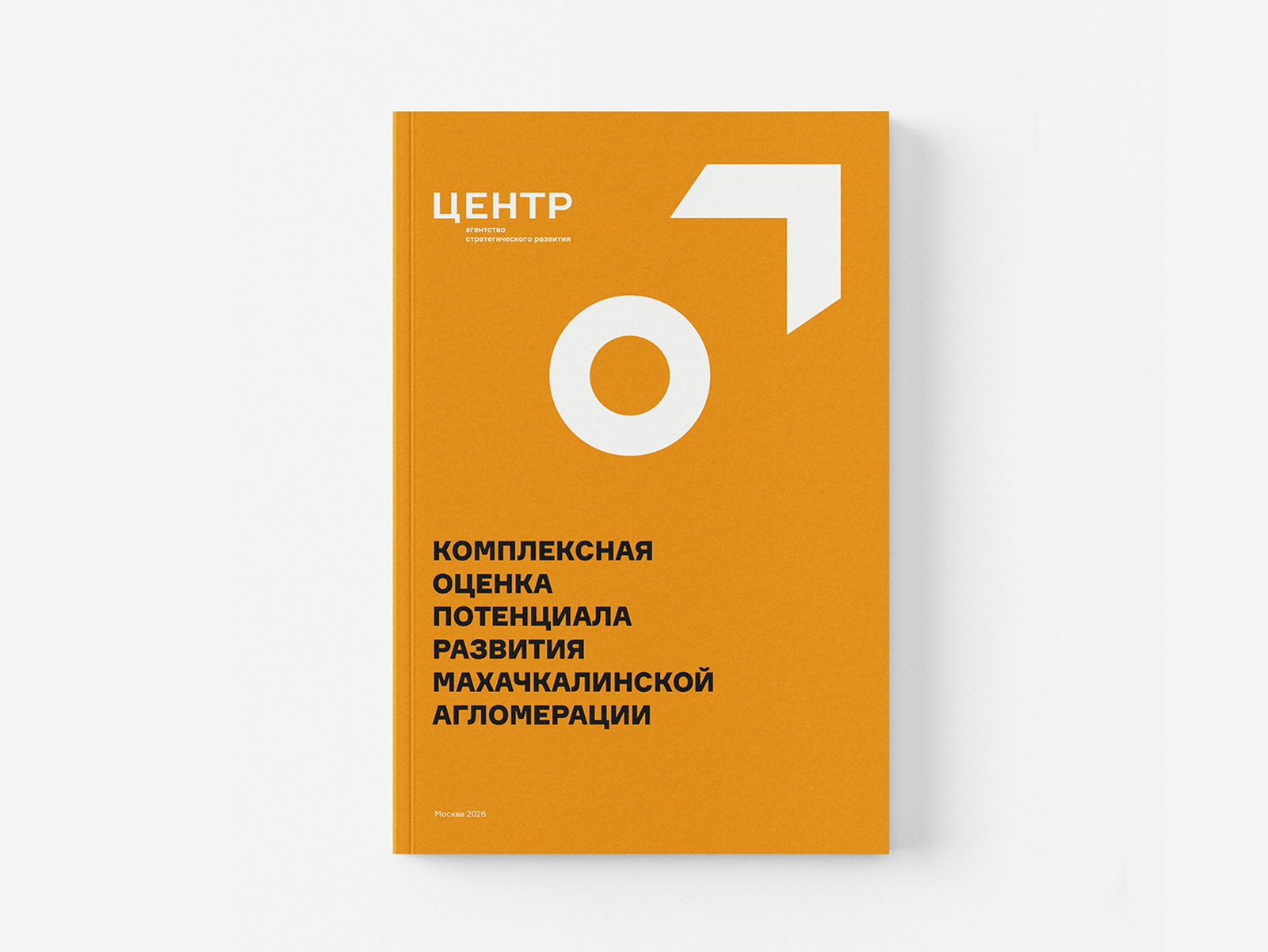

Presentation of the Study “Comprehensive Assessment of the Development Potential of the Makhachkala Agglomeration”
Study “Comprehensive Assessment of the Development Potential of the Makhachkala Agglomeration”
Customer:

Partners:



Исполнитель:

Status of accomplishment:
Done